


Growing Concerns Among Laotian Families in Washington
Families within the Laotian community in Washington state are increasingly anxious as their loved ones, who have diligently reported to immigration authorities for decades, find themselves detained, with some facing imminent deportation.
Long-Standing Procedures Disrupted
Tukwila, Washington—For many Laotian refugees with past convictions, regular immigration check-ins have been a standard procedure for years. However, families report a disturbing shift in this status quo.
Unexpected Detentions During Routine Check-ins
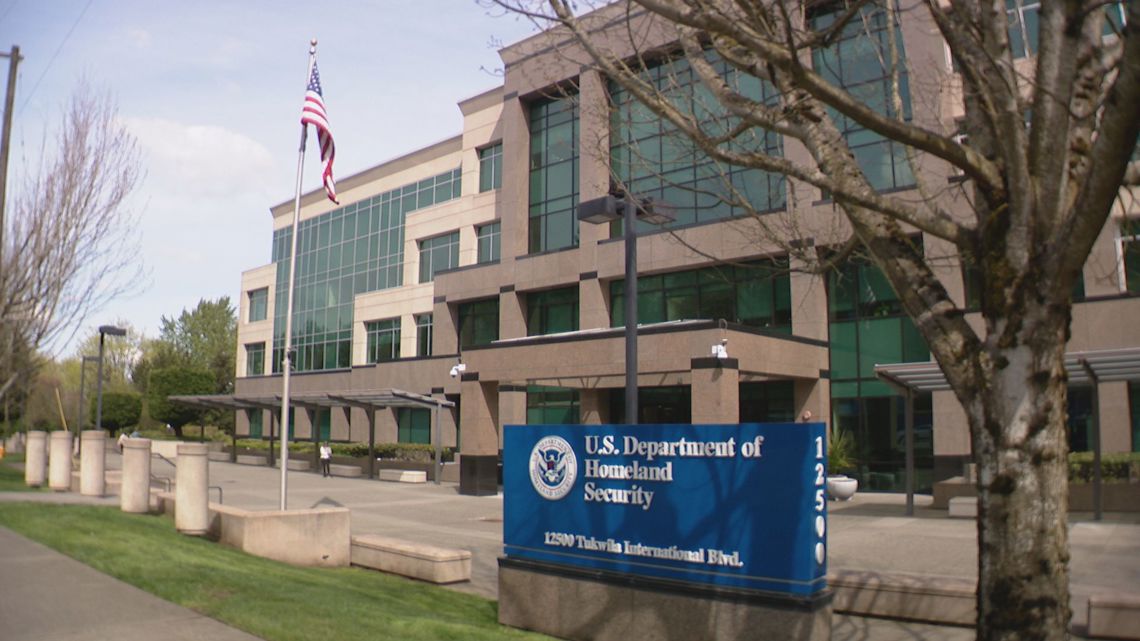
Boun Morissas of Bremerton had been reporting to Immigration and Customs Enforcement (ICE) without incident for 30 years. His wife, Emily Hassakumbly, recalled a visit to the Department of Homeland Security in Tukwila last month that was assumed to be routine. “On March 11, I went in to check in, and he didn’t come out,” Hassakumbly shared, marking the moment her husband was taken into custody at the Northwest ICE Processing Center in Tacoma.
Alarming Trends for Laotian Community
The Lao community in Washington is expressing deep concern over a pattern where long-time check-ins are suddenly resulting in detention and potential deportation. One such case is that of Chai, the younger brother of Kim Hao, who had consistently reported to immigration authorities for over 20 years without issues.
Deportation Without Documentation
Hao’s family fled Laos as refugees in 1988, with Chai routinely checking in until his unexpected detention in August of last year. Soon after, he was transferred from Tacoma to El Paso, Texas, and subsequently deported to Laos—without a passport or any travel documents. “He left there when he was probably 2 years old,” Hao said, emphasizing her brother’s disconnection from the land he was sent back to.
The Impact of Past Convictions
Many Laotian and Southeast Asian refugees arrived in the United States post-Vietnam War, often facing hardships, including convictions that resulted in regular immigration check-ins. Morissas, for instance, had a minor conviction from his youth in Alaska that stemmed from clerical errors. Meanwhile, Chai had a prior child abuse conviction that was later vacated, yet both men found their green cards revoked as a consequence.
Community Anxiety and Heightened Fear
The fear surrounding these detentions transcends individual families and resonates throughout the community. Leaders from a South Seattle community center, which supports families from the Yu Mien refugee group, note that discussions are now taking place about the implications of a family member potentially not returning home. “People are scared to even visit our food bank program because they worry about identification requirements,” Alison Sechao remarked, reflecting the anxiety permeating the community.
Struggles for Justice and Family Reunification
With her husband still in detention, Hassakumbly is determined to advocate for his release. “There’s no reason to lock him up. He is not a flight risk, nor a danger to society. He deserves a second chance,” she emphasized. The stakes for families like hers extend beyond the desire for second chances—it’s about ensuring their loved ones return home safely.
Increasing Detentions of Lao Nationals
According to data from the Department of Homeland Security, 23 Lao nationals were detained in Western Washington between last year and early this year, with 19 of those individuals apprehended during their routine check-ins. This alarming trend has raised critical questions among families and advocates, who seek clarity from ICE, which has yet to respond to inquiries regarding these shifting practices.
