


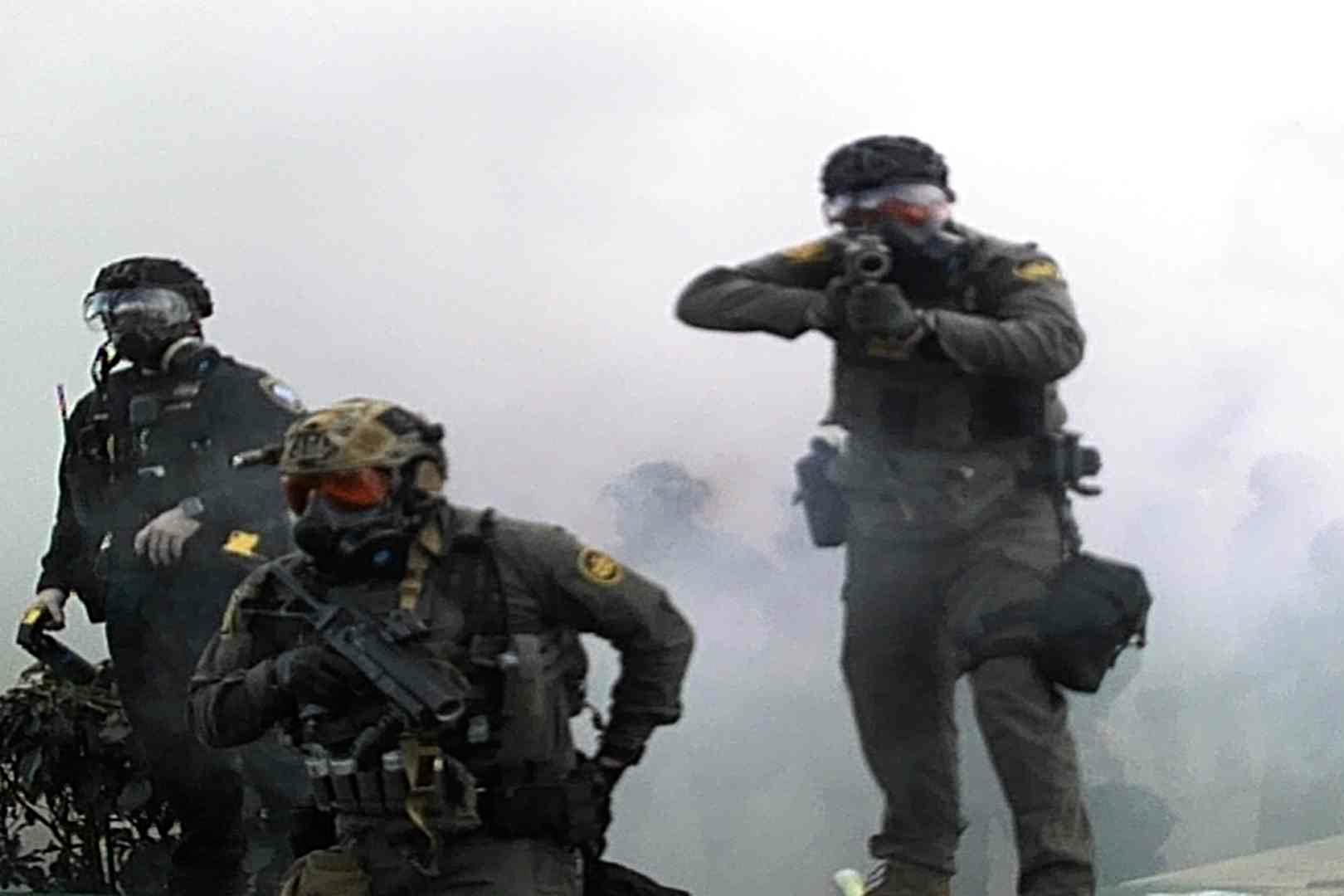
Senators Demand Reforms on Chemical Weapon Use by Federal Law Enforcement
Three U.S. senators are advocating for a significant reform of tear gas and pepper spray use by federal authorities. Their call to action follows a ProPublica investigation that revealed at least 79 children suffered distress, injuries, or respiratory issues as a result of these chemical agents during the immigration enforcement era under President Donald Trump.
Need for Stricter Regulations Highlighted
The lawmakers emphasize that the findings underscore the urgent need for increased regulations to protect bystanders, particularly children, from harm inflicted by chemical agents designed primarily for military use. Such substances pose heightened risks to children due to their faster respiratory rates relative to adults.
Legislators Push for Federal Guidelines
“This report highlights the pressing need for federal legislation to address the overuse and misuse of tear gas and similar chemicals,” stated Senator Cory Booker of New Jersey. “We must prevent another child from encountering tear gas at the hands of federal law enforcement.”
Comparison with Local Policies
The investigation found that the Department of Homeland Security (DHS) maintains less stringent policies regarding the deployment of chemical agents than many local police departments, which have adopted stricter guidelines in response to legal challenges and community pressures. Currently, there are no standardized protocols governing the circumstances and methods through which federal agents can deploy these chemicals.
Call for Policy Updates Based on Best Practices
Senator Richard Blumenthal of Connecticut urged DHS to revise its regulations by drawing from successful policies implemented in local police departments. For instance, in Minneapolis, officers must secure permission from the police chief before deploying chemical munitions.
Concerns Over Use of Force
Blumenthal remarked that such applications of force should necessitate prior approval from an authority figure, particularly considering the potential harm to children. Senator Tammy Duckworth from Illinois concurred, highlighting the importance of a comprehensive review to ensure that Immigration and Customs Enforcement (ICE) and Border Patrol abide by similar standards as conventional police departments across the nation.
Disturbing Accounts of Child Impact
Many of the affected children were at home when tear gas infiltrated their living spaces, or they were inside vehicles when officers deployed pepper spray through windows. One mother from Chicago related her harrowing experience of taking her daughter to the emergency room multiple times for respiratory distress after tear gas entered their residence.
Calls for Accountability at DHS
In line with these findings, three Democratic members of the House Homeland Security Committee sent a letter to DHS Secretary Markwayne Mullin requesting clarifications on the department’s training protocols and policies regarding the use of chemical agents near children. They criticized the department for “unnecessarily and callously” endangering children, seeking assurances regarding any studies conducted on the harmful impacts of these substances.
Federal Actions Compared to Historical Civil Rights Violations
The reactions to the agents’ deployment of chemicals have prompted some historians to draw parallels with the civil rights movement of the 1960s, where similar tactics were used against demonstrators. Civil rights activist Charles Mauldin shared a painful memory from his own experiences, emphasizing the unfortunate similarities with today’s practices.
Challenges and Responses from the DHS
A spokesperson for DHS rebuffed comparisons made to historical events, labeling them as “disgusting” and asserting that the agency’s actions are aimed at maintaining safety during law enforcement operations. They attributed any unintended consequences to parents’ decisions to place their children in precarious situations during enforcement actions.
Local Implications and Ongoing Concerns
ProPublica’s investigation revealed distressing accounts of children caught in the crossfire of protests in cities like Portland, Oregon, where agents regularly deployed tear gas against demonstrators. Residents reported that the prevalent use of such chemicals forced families to adopt protective measures, illustrating the gravity of the situation. Expert commentary suggests that federal legislation could play a crucial role in equipping law enforcement agencies nationwide with necessary frameworks to safeguard vulnerable populations, especially children, from the consequences of chemical weapon deployment on the streets.
Bipartisan Calls for Reform and Legislative Action
In response to the troubling findings, various Democratic lawmakers have renewed their efforts to hold DHS accountable, calling attention to the failures of past initiatives that aimed to regulate the department’s actions. ProPublica has reached out to a wide array of Congress members for their insights, yet responses from Republican representatives have been conspicuously absent.
Looking Ahead: Potential Legislative Changes
Amid the emerging concerns, Senator Tina Smith introduced a bill aiming to prohibit excessive force, including the use of chemical weapons, around children. This proposed legislation has garnered support from multiple co-sponsors but lacks any Republican backing. The potential for comprehensive reforms remains in the hands of lawmakers, as calls for explicit rights to hold federal agents accountable for violations mount.
Recent Events Involving Federal Agents
Further complicating the discourse, federal agents recently employed pepper spray against protesters outside an immigration detention center in Newark, impacting Democratic Senator Andy Kim during his visit to support hunger-striking detainees. This incident, which highlights ongoing tensions between federal law enforcement and community activists, remains under scrutiny as DHS asserts its agents acted within the necessary parameters to manage the situation.
