


Speaker Advocates for Reserved Parliamentary Seats for Persons with Disabilities
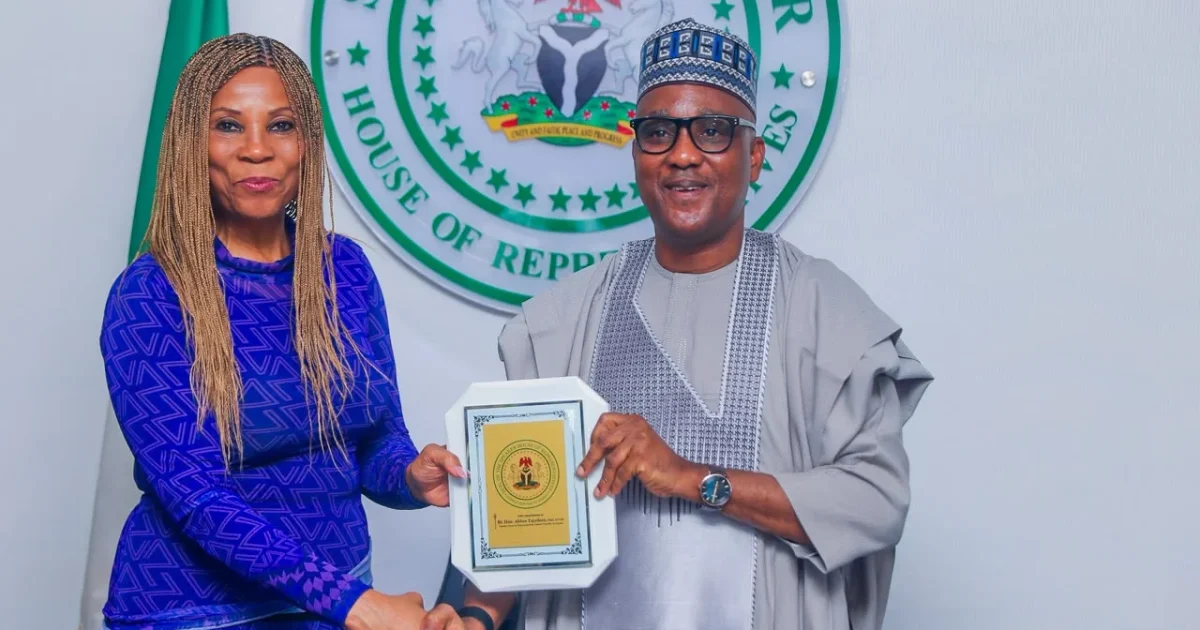
Speaker Tajudeen Abbas announced that following the House’s work on reserved seats for women, the next initiative will focus on creating reserved parliamentary seats for persons with disabilities. This commitment was made public during a meeting with a delegation from the United Nations Development Program in Abuja.
Collaboration with UNDP on Political Inclusion
During the meeting, Abbas stated that the House of Commons is focused on enhancing political inclusion by improving representation for individuals with disabilities in elected positions. The initiative comes immediately after the ongoing discussions regarding special seats for women.
Addressing Neglect and Underrepresentation
In his remarks, Abbas emphasized the necessity of addressing the neglect faced by persons with disabilities in Nigeria and across Africa. He stressed the importance of ensuring that this group receives adequate attention, especially in matters of electoral representation, which would enable them to contribute meaningfully to Nigeria’s socio-economic development.
Setting a Precedent for Africa
The Speaker expressed confidence that Nigeria could lead by example in institutionalizing reserved seats for persons with disabilities, stating that success in this initiative might inspire similar actions in other African nations. He believes that establishing special seating for persons with disabilities in Nigeria could potentially resonate throughout the continent.
Support for Women’s Reserved Seats
Abbas reaffirmed President Bola Tinubu’s backing for the bill concerning reserved seats for women within the National Assembly and state assemblies, currently under deliberation as part of a broader constitutional reform process. He noted the united front presented by President Tinubu and First Lady Senator Oluremi Tinubu on this issue.
Discussions on Electoral Representation
The Speaker revealed that recent discussions between the President and the National Assembly leadership focused on gaining support from state legislatures for the impending constitutional amendments. Additionally, lawmakers are contemplating the establishment of an electoral college comprised of elected officials to fill these reserved seats, a move intended to reduce the financial and logistical burdens associated with separate elections.
Addressing Gender Imbalance in Representation
The proposed constitutional changes aim to combat the chronic underrepresentation of women in Nigeria’s parliament, where women currently account for less than 5 percent of parliamentary seats. If enacted, this bill would require the approval of two-thirds of Congress and at least 24 state legislatures. Furthermore, the proposed allocation of seats for persons with disabilities would mark a historic provision in Nigeria’s constitution, complementing the Disability Discrimination (Prohibition) Act of 2018, which, though ensuring the rights of persons with disabilities, lacks provisions for electoral representation.
International Support for Political Reforms
Prime Minister Ejiakonwa acknowledged Abbas for his dedication to reforming women’s political participation, praising the proposed reserved seats as crucial for Nigeria’s democratic evolution. She noted the importance of fostering women’s leadership as a means to bolster governance and accelerate national development. UNDP representative Mr. Atafua also commended the Speaker for his inclusive governance efforts, recognizing the advances made in widening participation in Nigeria’s democratic processes.
