


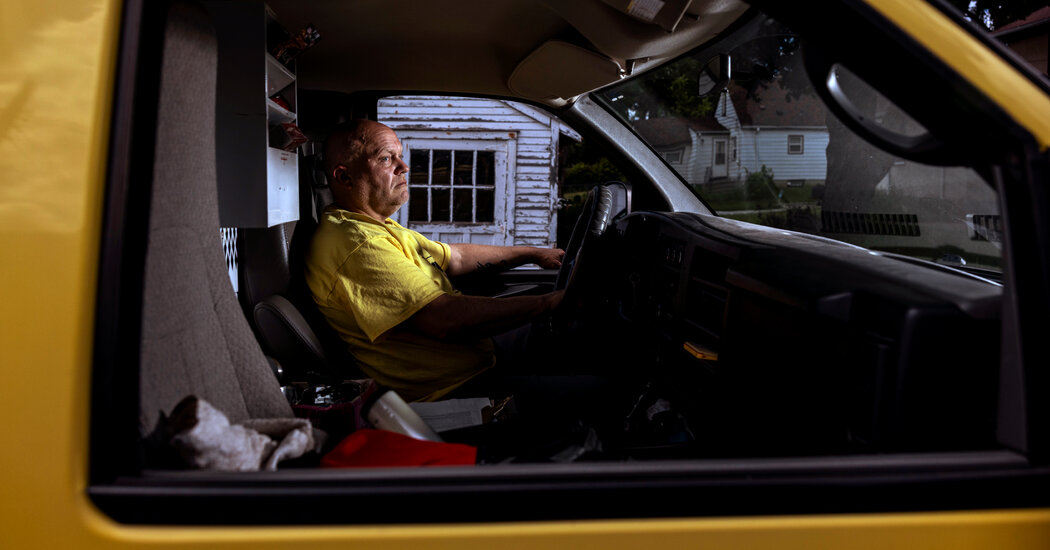
Untold Ordeal of Progressive Activist in Minneapolis
On the night of his arrest, Paul Johnson found himself alone in a Minneapolis hospital bed, battling pain from both an injury and the effects of medication administered after being struck by a federal agent. Shackled and cut off from communication, Johnson was overwhelmed and disoriented.
Court documents revealed that during a January incident, he attempted to call his wife to inform her of his detention during an immigration protest, but officials prohibited him from doing so. Even when a nurse tried to help him make the call, she was stopped by staff.
Determined to reach out, Johnson, a seasoned progressive activist, cleverly used his foot to hook a nearby landline phone cord, drawing the receiver closer while carefully avoiding dislodging the IV in his arm. Quietly dialing, he managed to connect with an outside world that had been rendered inaccessible to him.
His attorney finally arrived later that day and found Johnson in a state of panic. The relief of seeing his lawyer overwhelmed him, leading him to sob at the thought of human connection in his distressing ordeal.
Charges Against Activist Dismissed Amid Scrutiny
Following multiple inquiries from the New York Times regarding Johnson’s case, federal prosecutors took the unexpected step of dismissing charges against him for allegedly assaulting a federal officer during the protest. In a sudden filing with the U.S. District Court in Minneapolis, prosecutors expressed their intent to investigate the misconduct claims he raised.
Johnson expressed his cautious optimism about the developments, stating his hope for genuine action behind the official statements. His experience serves as a poignant example of what many critics have condemned as the government’s heavy-handed response to dissent, particularly under the Trump administration’s immigration policies that have seen heavily armed federal agents deployed in Minnesota.
Operation Metro Surge Raises Alarms
This operation, known as Operation Metro Surge, has resulted in the detention of over 4,000 migrants, but not without significant backlash. Several criminal cases against other protesters involved in the events have been dismissed, demonstrating a legal landscape fraught with challenges. Tragically, the operation also led to the deaths of two protesters, highlighting the severe consequences of these increased law enforcement actions.
Initially, the indictment against Johnson claimed that he confronted an immigration officer wielding a bat and sprayed him with a chemical irritant. These serious charges, however, were remarkably reduced to misdemeanors shortly thereafter without any explanation.
Isolation and Distress during Hospitalization
Independently verifying Johnson’s assertions was challenging; his hospitalization was marked by extended isolation. Neither the Justice Department nor the Department of Homeland Security provided clarity on the circumstances, each deferring responsibility to the other. After questioning from the Times, the Justice Department clarified that it had not sought to close the case.
Throughout the ordeal, Johnson described feeling utterly helpless and confused. His attorney’s court papers accused federal officials of engaging in “outrageous government conduct,” alleging that they created a perilous situation to justify his arrest and restrained him in the hospital for consecutive days.
Continuing the Fight Against Immigration Enforcement
Johnson’s activism is not new; he has been involved in protests since 2018, following the tragic death of a close friend during a police wellness check. His activism intensified during demonstrations against the police killing of George Floyd, and in 2021 he ran for mayor, gathering significant community support. Thus, participating in opposition against Immigration and Customs Enforcement (ICE) was a natural progression for him as thousands of agents descended upon Minnesota.
On January 22, while following ICE trucks, Johnson found himself unexpectedly targeted by authorities. They apprehended him with overwhelming force, as captured in video footage that shows officers violently smashing his vehicle windows and repeatedly striking him.
A Distressing Hospital Experience
In the hospital, Johnson awoke to find federal agents photographing him in his hospital gown, only to realize later that he was restrained to the bed. Despite his efforts to reach out for help, he was met with refusals. After a dramatic rescue effort, he managed to contact his wife, who had been frantically searching for him since his arrest.
Upon finally speaking with his lawyer, Johnson was informed that he would not be able to see him until his discharge on January 27, though he had already been formally charged on January 26. His incarceration at the hospital involved being shackled and guarded—a distressing reminder of the powers of federal enforcement.
Despite his ongoing struggles with both physical and emotional trauma from the encounter with federal agents, Johnson has shifted career paths, now focusing on a hot sauce venture that features a distinctive flavor named “ICE OUT.” His experience has left scars more profound than those on his body, fostering a deep awareness of the vulnerabilities faced by activists like himself.
