


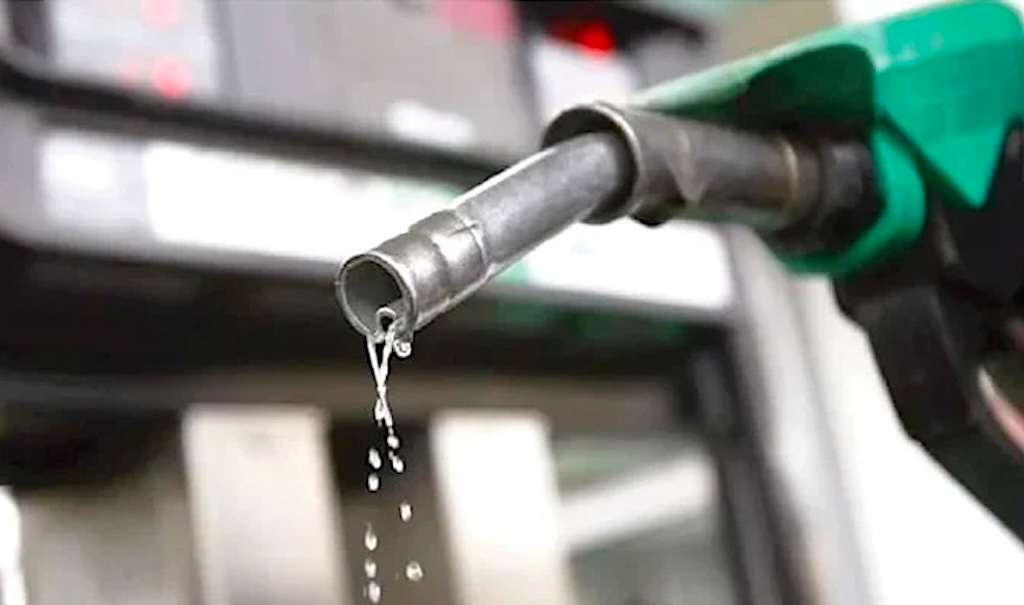
Petrol Prices Surge in March, NBS Reports Significant Increase
The National Bureau of Statistics (NBS) has reported a sharp rise in the average retail price of petrol, which jumped from N1,051.47 in February to N1,288.54 in March. This marked increase of 22.55 percent highlights the ongoing volatility in fuel prices across the country.
In its March Premium Motor Spirit (Petrol) Price Watch released in Abuja, the NBS detailed that the average retail price not only saw a significant month-on-month increase but also a year-on-year rise of 2.13 percent, from N1,261.65 in March 2025 to N1,288.54 in March 2026.
Regional Price Variations Reveal Significant Disparities
State profile analysis revealed that Anambra recorded the highest average retail price per litre at N1,441.22, with Sokoto and Borno following closely at N1,377.55 and N1,375.16, respectively. In contrast, Lagos State had the lowest average price at N1,162.71, succeeded by Ogun State at N1,169.78 and Kaduna State at N1,193.40.
A regional breakdown further indicated that the Northeast experienced the highest average retail price of N1,336.50, while the South West reported the lowest at N1,232.46. This significant price disparity reflects local supply constraints and competition dynamics in different regions.
Diesel Prices Also on the Rise, Affecting Consumers
In addition to petrol prices, the NBS revealed an increase in diesel costs, as documented in its March Diesel Price Monitoring Report. The average retail price surged by 16.05 percent month-on-month, escalating from N1,420.17 per liter in February to N1,648.08 per liter in March.
On a year-on-year basis, this represents a 3.05 percent rise from N1,599.30 per liter recorded in March 2025, emphasizing the continued upward trajectory of fuel prices. Regionally, the highest average diesel prices were noted in Ebonyi at N2,262.29 per liter, followed by Akwa Ibom at N1,895.72 and Osun at N1,872.15. Kogi, in contrast, recorded the lowest diesel price at N1,383.40.
Geopolitical Tensions Impact Fuel Prices
Experts attribute the recent month-on-month spikes in both petrol and diesel prices to escalating geopolitical tensions in the Middle East. Economist Opeyemi Alabi noted that conflicts between the US and Iran have disrupted critical supply chains, leading to a significant increase in Brent crude oil prices.
Alabi highlighted the direct impact these tensions have on Nigerian fuel prices, stating that with petrol reaching N1,600 per litre in some areas and diesel surpassing N2,000, the increased costs are burdening both consumers and businesses alike. He warned that if this trend persists, an inevitable rise in inflation across Nigeria could follow.
