


Rising Drug Challenges Demand Urgent Attention in Nigeria
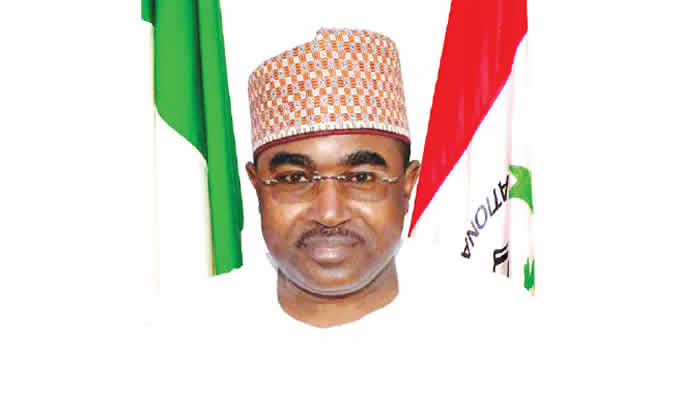
The Director of the National Drug Law Enforcement Agency (NDLEA), retired Brigadier General Buba Marwa, emphasized the need for Nigeria to confront the “sober reality” of a changing drug landscape, even as it celebrates advancements made over the last five years.
Marwa’s comments came during the opening session of the two-day National Drug Control Master Plan (NDCMP) Consultative Forum held in Abuja. He pointed to UNODC projections that predict a 40% increase in drug use across Africa by 2030. Additionally, a recent report from the Global Initiative Against Transnational Organized Crime (GI-TOC) highlights West Africa as a critical transit route for cocaine moving from Latin America to Europe.
The increasing complexity of Nigeria’s drug scene is concerning, according to Marwa, who noted the rise of synthetic substances, prescription drug misuse, and the emergence of new psychoactive substances (NPS). He further highlighted the role of technological advancements, with drug trafficking increasingly utilizing encrypted platforms and dark web activities.
As Africa’s largest economy and most populous nation, Nigeria cannot afford to remain passive in the face of these challenges, Marwa asserted. He identified the forum as a pivotal battleground for the coming five years, aiming to finalize the zero draft of the NDCMP for 2026-2030—a roadmap informed by thorough evaluations of prior cycles.
The new strategy will incorporate two essential pillars: alternative development and sustainable livelihoods, addressing the socio-economic factors fueling drug trafficking. “We aim to leverage financial intelligence to disrupt the funding streams of trafficking networks and dismantle the illicit drug economy,” he added.
Marwa expressed gratitude for the collaboration from national and international partners, particularly the UNODC and ECOWAS, in shaping the draft for the upcoming NDCMP. He called on attendees to view the drug issue as a pressing reality that affects families, schools, and communities across Nigeria.
Participating not only as policymakers and experts but also as parents and guardians, attendees were urged to think boldly and challenge the status quo during the forum. Marwa emphasized that the collective input from this gathering would significantly influence the future safety of the nation.
Importance of Community Engagement in Drug Control Efforts
In a goodwill address, Sheikh Touré, Country Director of the United Nations Office on Drugs and Crime (UNODC), stressed the necessity of enhancing community participation in Nigeria’s drug control initiatives. He argued that tackling drug abuse and trafficking effectively requires a collaborative effort, especially at the community level.
Touré commended the NDLEA for its role in facilitating the consultation process, noting the growing complexity of Nigeria’s drug challenges. He insisted that real impact can only be achieved when state and local governments take the lead by funding initiatives, integrating drug control into development plans, and ensuring access to services for grassroots communities.
He referred to the NDCMP as a crucial opportunity to synchronize responsibilities across all government levels to achieve effective results. Without these community-driven efforts, even the most robust national strategies may fall short, he cautioned.
In addition to urging youth inclusion in drug control policies, Touré highlighted the unique vulnerabilities faced by women and girls, underlining their crucial role in prevention strategies and community resilience.
Multidisciplinary Approach Key to Drug Response
Professor Swaiba Ahmad, Minister of State for Education, lauded the NDLEA for its unwavering dedication and proactive measures in addressing drug abuse and trafficking. She acknowledged the agency’s positive impact through advocacy, enforcement, rehabilitation, and collaboration.
As participants work on a comprehensive national drug control strategy, she advocated for a holistic, multidisciplinary approach that encompasses education, healthcare, law enforcement, community engagement, and social support systems. Such collaboration is vital for addressing both the causes and consequences of drug abuse, she emphasized.
Ahmad urged participants to engage constructively, share insights, and develop actionable recommendations to strengthen Nigeria’s drug control framework, ensuring sustainable outcomes for future generations.
