


Concerns Raised Over New Jersey Immigration Judge’s Appointment
A New Jersey judge is facing scrutiny following controversial remarks he made regarding a woman’s claims of sexual assault. Judge Thomas Shusted is currently presiding over immigration cases involving detained individuals, many of whom are victims of domestic violence and sexual abuse. These developments have sparked concern among immigration attorneys, who fear that Shusted’s history could adversely affect their clients as they navigate the complexities of the legal system.
Legal Community on Edge
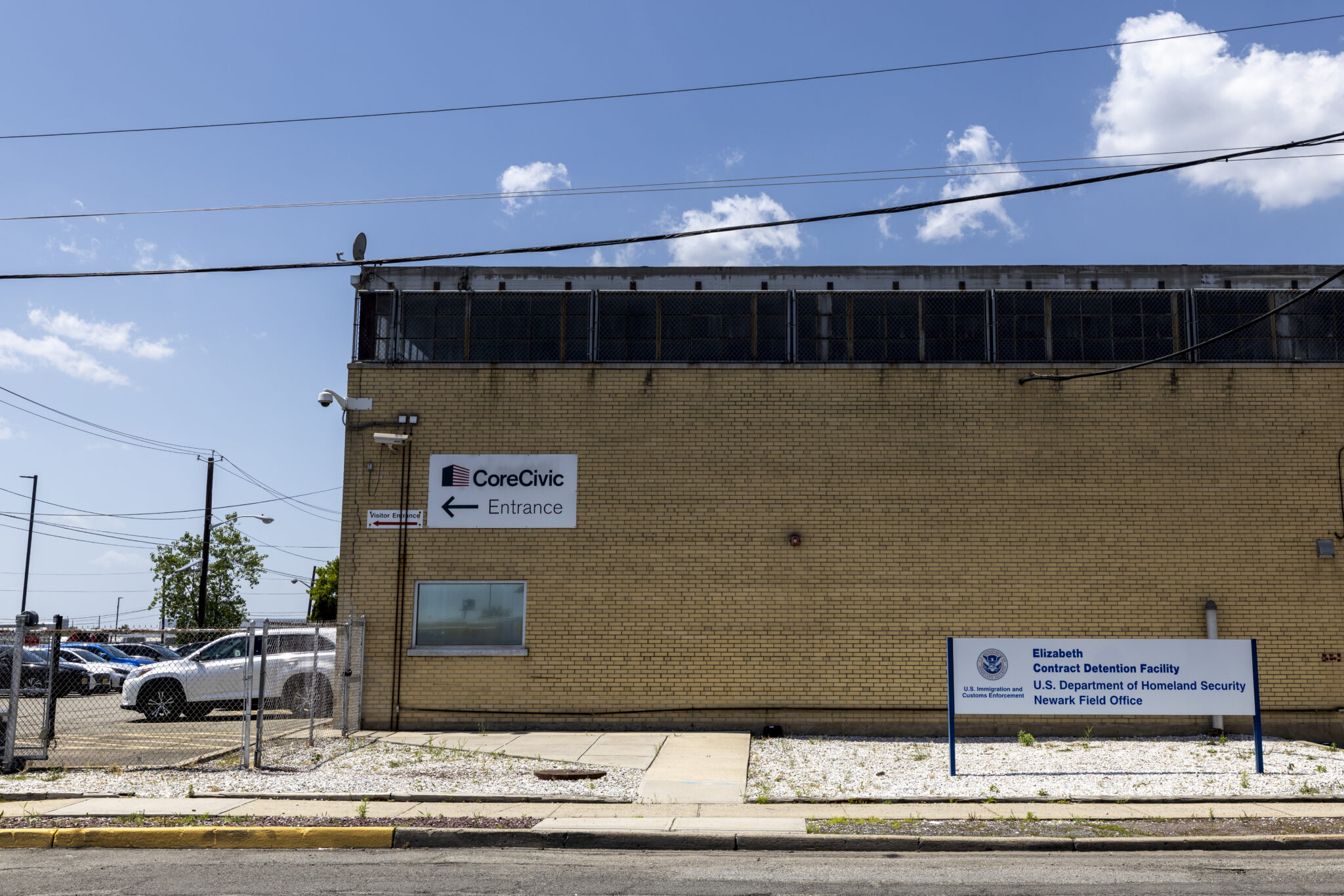
Attorneys representing immigrants facing deportation are particularly apprehensive about how Judge Shusted will approach their cases. Many detainees in New Jersey immigration courts are routinely denied bail, making favorable rulings even more critical. Lauren Ancelowitz, an immigration attorney with experience in the Elizabeth and Newark courts, expressed her worries: “I’m very concerned about how he will treat my client and whether he truly understands their fears and concerns.”
Potential Conflicts in Asylum Cases
Adriana Mitchell, an immigration lawyer based in Philadelphia, indicated her intention to formally ask Judge Shusted to recuse himself from cases involving asylum seekers who are survivors of domestic violence or those eligible for special visas for human trafficking victims. “I don’t think he should be allowed to preside over these important matters,” she asserted after her initial appearance in his courtroom.
Background on Judge Shusted’s Appointment
Shusted’s nomination by the Trump administration comes after over a decade of service as a Superior Court judge in Camden County. His role overseeing the Elizabeth Immigration Court places him in a critical position to determine whether detained individuals will be released on bail while awaiting deportation proceedings. However, his recent appointment follows a three-judge appeals panel’s criticism regarding his handling of a restraining order case that involved comments he made towards a woman alleging rape.
Judicial Criticism and Its Implications
Legal experts were alarmed by Shusted’s remarks during a restraining order case, where he seemingly prioritized the interests of the accused over the victim. The appellate court highlighted that his comments could lead plaintiffs to feel their cases are not treated with the seriousness they deserve. This background raises significant concerns among attorneys like Mitchell and Ancelowitz, who fear that such biases could influence Shusted’s rulings in sensitive immigration cases.
Legal Proceedings and Judicial Conduct
In her initial appearances before Judge Shusted, Mitchell noted that he denied bail in every case on his docket, including for a Dominican Republic man married to an American citizen and awaiting his green card application. Despite presenting evidence of limited community ties, Shusted sided with Homeland Security prosecutors. This pattern provokes questions about how he will handle vulnerable populations as part of his judicial duties.
Dissent Within the Legal Community
Attorneys in the region are torn between the concern for their clients and the broader implications of a single judge’s actions. Ancelowitz remarked on the unfortunate timing of Shusted’s appointment, occurring just two weeks after the appellate court’s critique. Such developments underline the importance of mindful selections in immigration courts, where the stakes are exceptionally high for individuals facing deportation.
