


Mississippi Law Grants Authority to Identify Undocumented Immigrants
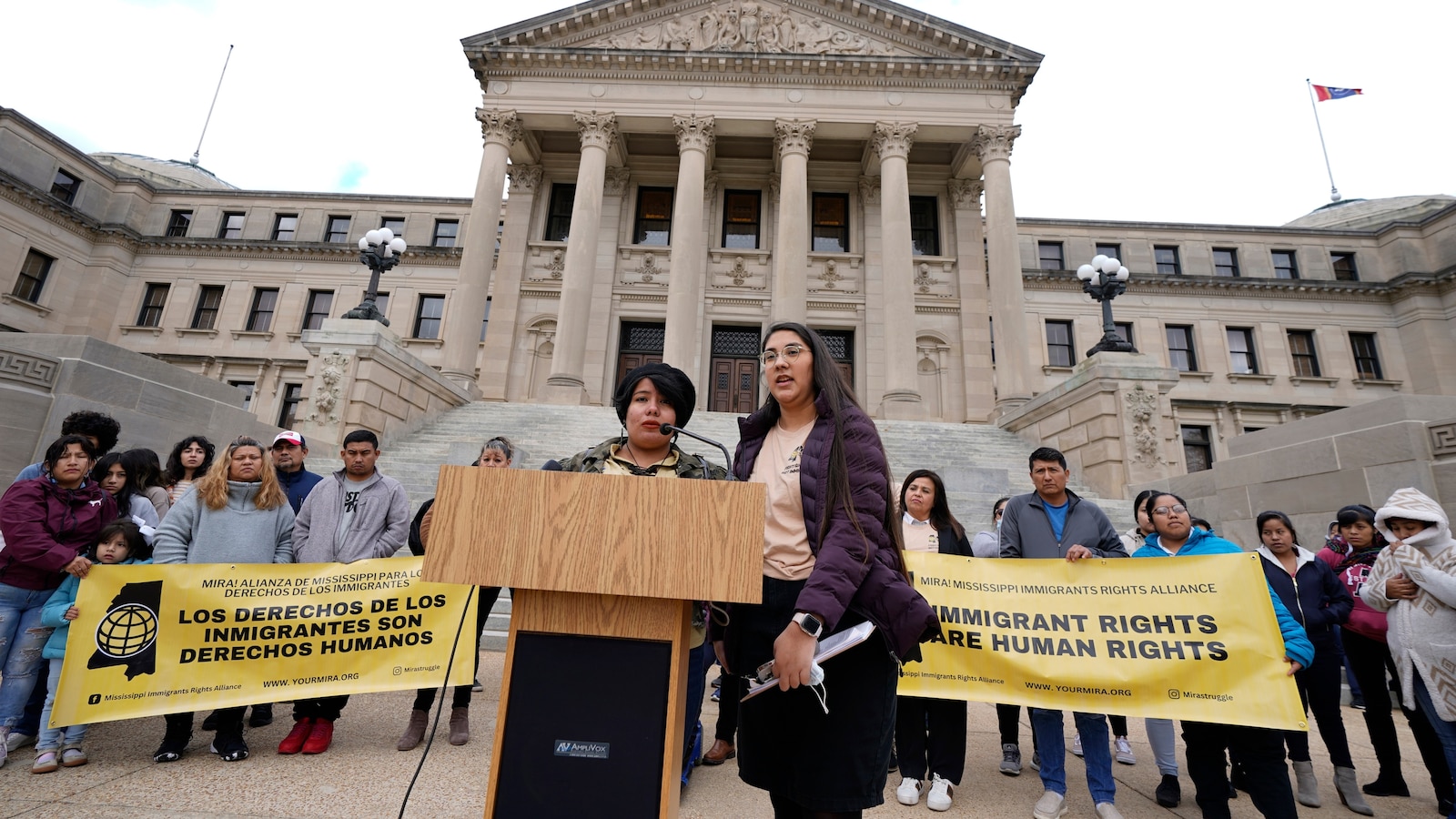
A new law in Mississippi will empower the state’s top law enforcement agency to compile a list of undocumented immigrants residing in the state. Set to take effect on Wednesday, this legislation has sparked concern among immigration advocates, who argue it could serve as a means of targeting immigrant communities, aligning with former President Donald Trump’s broader strategies aimed at deporting millions of individuals lacking legal residency.
Scope of Law Enforcement’s Investigative Powers
The law mandates that the Mississippi Department of Public Safety “may use all reasonable lawful investigative means available” to determine the number and identities of undocumented immigrants within the state. This could involve gathering a range of personal information, including names, addresses, countries of origin, and age classifications, as well as details regarding criminal history and deportation proceedings.
Information Sharing with Local and State Authorities
The department is authorized to share findings about individuals suspected of violating immigration laws with both state and local agencies. However, the new measure neither requires nor prohibits the exchange of this information with U.S. Immigration and Customs Enforcement (ICE), leaving their potential role somewhat ambiguous.
Support for the Legislation
Republican Senator Angela Hill, the bill’s sponsor, argues that it is both a right and responsibility of states to assist the federal government in curtailing illegal immigration, which she claims is often linked to serious crimes, including human trafficking and drug-related offenses. Hill believes the law is a necessary step towards understanding the true scale of illegal immigration in Mississippi.
Wider Trends in Immigration Legislation
This new law is part of a broader trend, with over 100 immigration-related laws being enacted across the United States this year, as reported by The Associated Press. Republican-led states typically pursue measures that reinforce the Trump administration’s objectives, including tightened public benefits eligibility and mandates for local law enforcement to cooperate with ICE. Conversely, Democratic-led states have generally resisted these initiatives by establishing laws that limit ICE cooperation and restrict enforcement actions in sensitive environments.
Comparative Measures and Long-term Implications
A parallel can be drawn between Mississippi’s law and a 2021 executive order from Republican Florida Governor Ron DeSantis, which instructed the Florida Department of Law Enforcement to utilize all lawful investigative methods to ascertain the identities of undocumented immigrants transferred to the state. While the Florida officials did not comment on the potential impacts of this order, the evolving nature of immigration enforcement poses ongoing challenges.
Concerns Over Trust and Community Relations
The Mississippi law is not designed as a one-time count but includes provisions for ongoing monitoring of undocumented immigrants over the next two years. Legal experts warn that the situation could become even more complex as individuals apply for overstayed visas or pursue changes in their immigration status. Critics, including experts from the National Immigration Law Center, argue that such policies could lead to profiling and create an atmosphere of fear within communities. Furthermore, Ms. Victoria Francis, deputy director of state and local initiatives at the American Immigration Council, cautions that focusing law enforcement resources on undocumented individuals could divert attention from protecting citizens, ultimately affecting community safety.
Impact on Community Trust
Lydia Grizzell, policy and advocacy manager for the American Civil Liberties Union of Mississippi, points out that the law could significantly diminish trust between law enforcement and local residents. This could lead to situations where individuals are less likely to seek help from police when they need it, undermining public safety efforts.
