


Oil Prices Rise Amid Tensions Between U.S. and Iran
Oil prices surged while stock futures fell on Sunday evening as traders grappled with escalating tensions between the United States and Iran over the critical Strait of Hormuz. U.S. crude oil jumped over 7% to approximately $90 per barrel, while international Brent crude rose by 5% to nearly $95 per barrel.
In the broader market, S&P 500 futures declined by nearly 0.8%, Nasdaq 100 futures fell by 0.7%, and Dow futures decreased by 500 points, or 0.7%. The Russell 2000 futures faced a significant drop of 1.4% as well.
Wholesale gasoline prices also increased by more than 4%, while heating oil futures, which serve as a proxy for jet fuel prices, soared by 7%. Natural gas prices rose by 2%, reflecting the pervasive impacts of the conflict on energy markets.
This fluctuation in prices contributes to a period of substantial volatility, as investors attempt to navigate the frequent shifts between war and peace. Although major U.S. stock indexes have recently recovered losses incurred since the onset of the conflict, elevated oil prices persist, resulting in higher gas prices for consumers and amplifying inflation concerns.
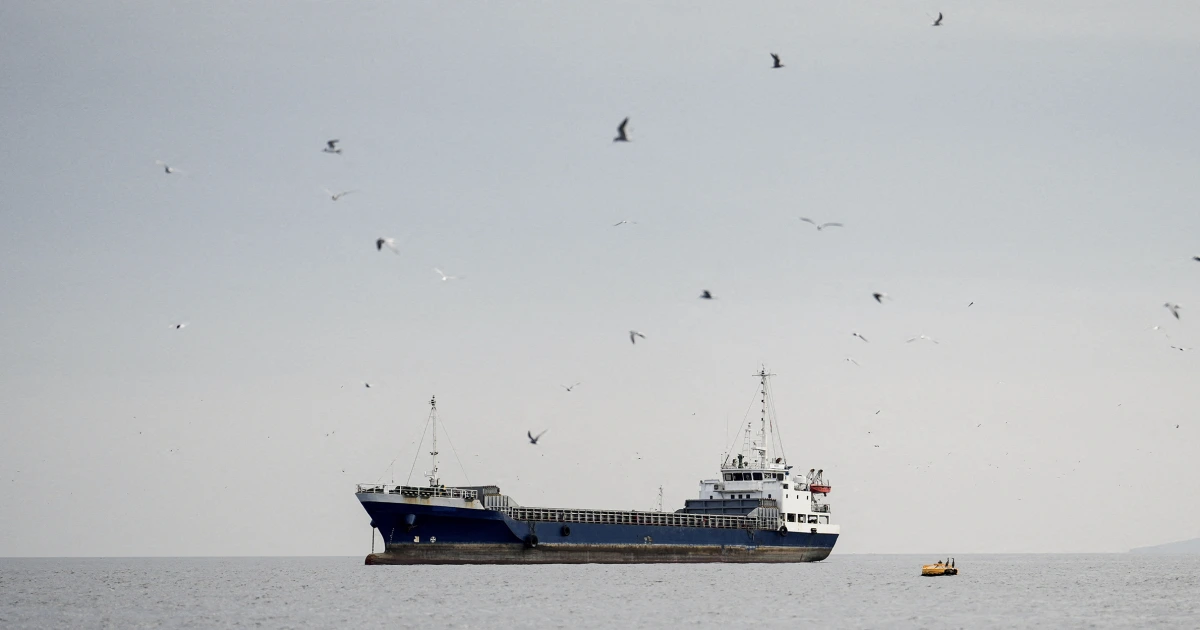
The Strait of Hormuz remains a focal point of these tensions, being a vital conduit for over 20% of the world’s oil supply. Iran had initially declared the strait open to commercial shipping on Friday, prompting an 11% decrease in oil prices. However, this announcement was swiftly retracted over the weekend, as Iran accused the U.S. of only “partially implementing the ceasefire.”
Subsequently, Iran announced another blockade of the strait, turning back dozens of commercial vessels attempting to exit and trapping them on the western side of this crucial waterway. Shipping giant CMA CGM disclosed on Saturday that one of its ships had come under fire, with a spokesperson confirming that the crew was safe and unharmed.
President Donald Trump added to the tensions by accusing Iran of attacking the ship. In a post on Truth Social, he claimed that Iran had violated the ceasefire agreement by firing shots in the strait, with many aimed at French and British vessels. The situation intensified further, with Trump stating that U.S. forces had “put a hole” in the engine room of an Iranian ship attempting to breach the naval blockade, adding that U.S. Marines had taken custody of the vessel.
Footage released by U.S. Central Command showed shots being fired at the Iranian ship from a U.S. Navy guided-missile destroyer, confirming that Marines had boarded the vessel. Iran’s military spokesperson warned that the country would retaliate against what they termed an act of “armed piracy” by the U.S. Meanwhile, maritime tracking data showed no commercial ships passing through the strait on Sunday as these developments unfolded.
Traders are also closely monitoring the status of U.S.-Iran peace talks, which Trump indicated would take place in Islamabad on Sunday. He mentioned that a representative was en route for negotiations; however, Iranian state media later refuted claims about the talks, stating, “The reports published about the second round of negotiations in Islamabad are not true.” As of Sunday night, further information remained uncertain.
