


Legal Trouble in China Grove
On June 25, Hébert was pulled over for a speeding violation in the small town of China Grove, located 19 miles east of San Antonio. When he presented his Mexican driver’s license, local police contacted U.S. Immigration and Customs Enforcement (ICE). Following an interview, authorities determined that Hébert was in the U.S. illegally.
Celebrating Independence Day Amid Detention
His rendition of “The Star-Spangled Banner” originated from a unique initiative aimed at honoring Independence Day for detainees held in ICE facilities. The center organized a contest inviting detainees to create themed handkerchief arrangements, with the winner receiving a goody bag filled with snacks. The facility staff also expressed a desire for someone to perform the national anthem, prompting Hébert to volunteer, as many detainees did not know English, let alone the anthem itself.
Recognition and Talent
The facility’s director recorded his performance and later remarked, “You’ve got a pipe.” She inquired about his musical background, to which Hébert replied that he had been a musician his entire life. This exchange underscores how art can bridge gaps even in challenging circumstances.
Cooperation with ICE
The China Grove Police Department collaborates with ICE under a federal agreement allowing local law enforcement to contact immigration officials when they suspect an individual is undocumented. Following his arrest, ICE agents took Hébert into custody around 9:40 a.m. and transported him to the Crosspoint processing facility in San Antonio. There, workers reportedly celebrated the introduction of mariachi music, with one jokingly offering a deal: if Hébert sang a song, he could be released.
An Unfolding Immigration Concern
While in custody, Hébert was subjected to handcuffs, ankle shackles, and a chain around his waist. He remained in these constraints for nearly 18 hours until he was allowed to shower and change. The Department of Homeland Security issued a statement indicating that Hébert entered the U.S. on an “unknown date and location,” assuring that he received due process while the government sought orders for his removal in federal immigration court—an unfortunate reflection of the intensifying immigration crackdown across the nation.
Family Background and Legal Options
Hébert’s mother disclosed that their initial intention to return to Mexico changed after threats and violence impacted their relatives. Consultation with attorneys revealed that they had a slim chance of successfully applying for asylum in the U.S., mostly due to high associated costs. Meanwhile, Hébert’s wife, Marisol Pantoja, presented a U.S. State Department Border Entry Card, which, despite valid until 2020, no longer provided protection. Legal representative Marisol Perez noted that Hébert does not qualify for the Deferred Action for Childhood Arrivals program, as he entered the U.S. after the 2007 cut-off date.
Community Response and Support
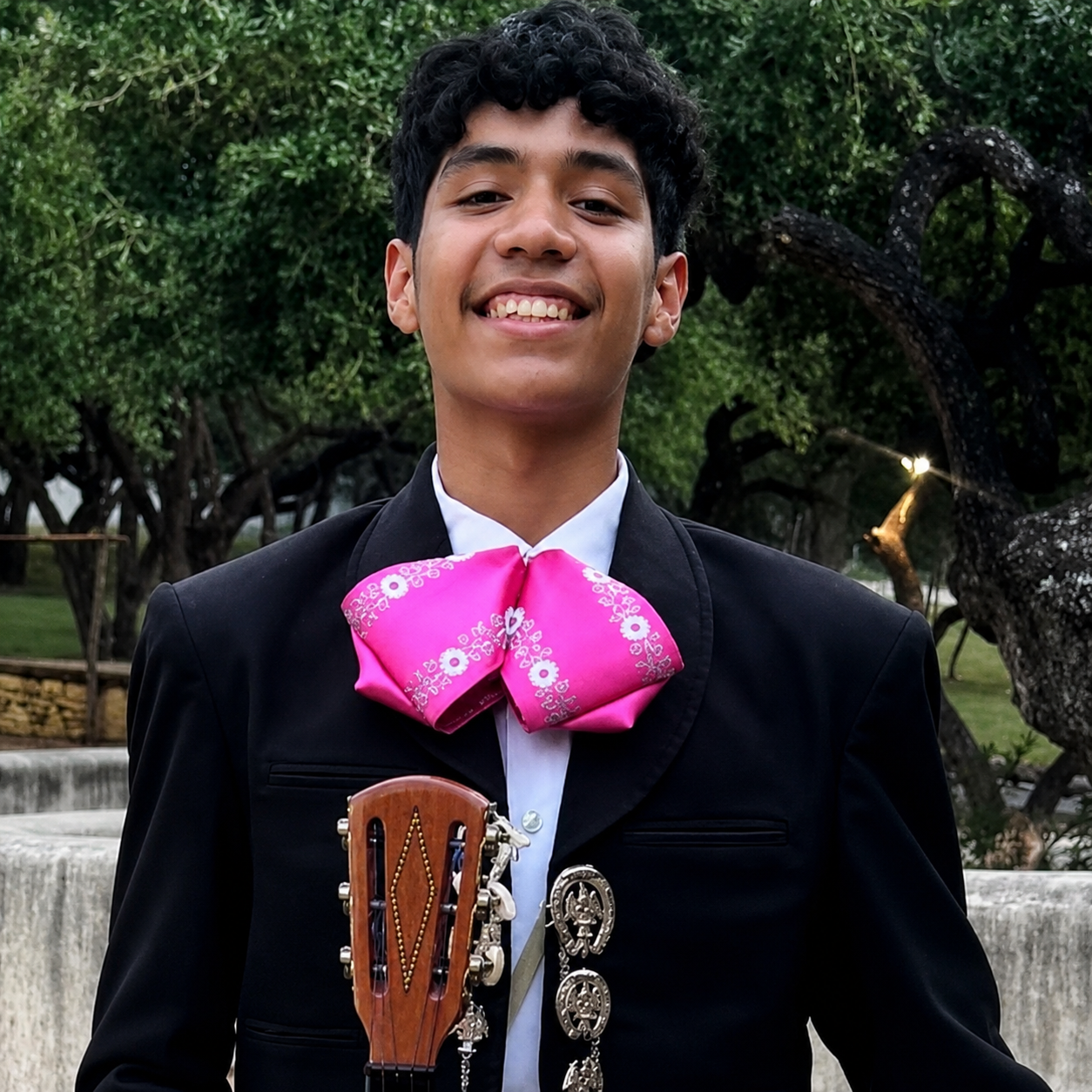
In light of Hébert’s plight, prominent San Antonio mariachi musician Anthony Medrano has galvanized support through the “Play a Song for Hebert” initiative. The campaign encourages fellow musicians to post performances in solidarity with Hébert. Medrano highlighted the significance of community unity, asserting, “You mess with one of us, you mess with all of us.” This sentiment was echoed by various artists from the mariachi genre, who performed and shared songs online in a show of support for Hébért and his family.
