


Candidates Commit to 100 Days of Reform and Transparency Initiatives
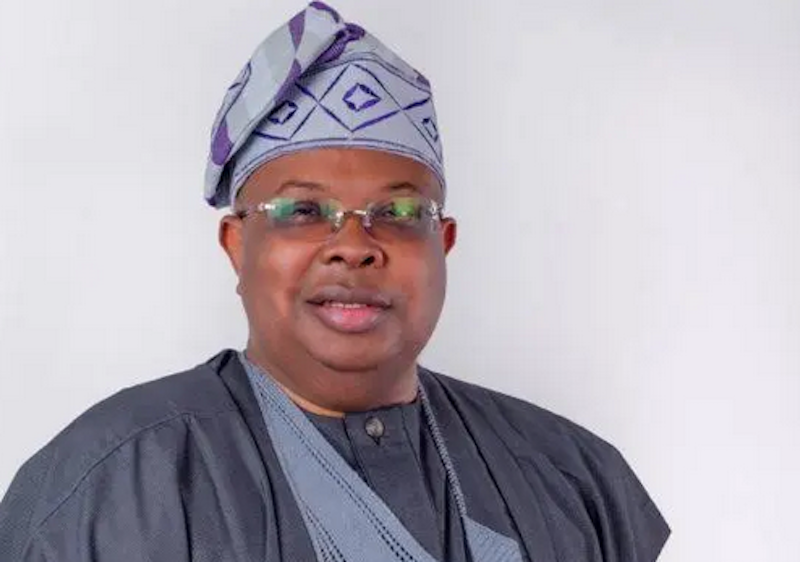
Amid growing public scrutiny, the Senate confirmed Olasunkanmi Tegbe as Nigeria’s Minister of Power on Wednesday. In this pivotal role, Tegbe is charged with addressing the country’s worsening electricity crisis, which includes recurrent grid collapses, liquidity issues, and insufficient transmission infrastructure—all of which hinder economic development.
Senators Demand Action Over Rhetoric
The approval came after extensive deliberation during a plenary session led by Senate President Godswill Akpabio. Lawmakers emphasized the urgency for Tegbe to deliver concrete results rather than merely engage in discussions. Party representatives voiced a collective desire for meaningful improvements in a sector long regarded as crucial to Nigeria’s growth.
Challenges Highlighted by Senators
Senator Mohamed Tahir Monguno of Borno North characterized Tegbe’s appointment as a perfect match for the role, yet cautioned that swift and decisive action is imperative given the severe challenges facing the power sector. He pointed to frequent grid failures as significant obstacles to Nigeria’s industrial aspirations, stating, “The power grid’s instability impedes our development efforts and fails to capitalize on the generation capacity of GENCOS.”
Acknowledgment of Systemic Issues
Tegbe recognized the complexities of the power sector, attributing grid failures to systemic shortcomings, including inadequate coordination, weak standards enforcement, and gas supply shortages. He stated, “The grid’s collapse reveals deeper issues at play,” while vowing to implement rigorous operational practices and enhance frequency management across the network.
Commitment to Transparency and Accountability
The incoming minister made an ambitious commitment to achieve measurable changes within his first 100 days in office. This includes establishing a public performance dashboard aimed at fostering transparency and enhancing accountability within the power sector. Tegbe declared that Nigerians have the right to expect results within three months, insisting, “If we don’t deliver in that time frame, accountability falls to us.”
Addressing Vandalism and Financial Challenges
Adding to his agenda, Tegbe addressed the persistent vandalism of electricity infrastructure, describing it as a significant national security issue. He expressed a commitment to collaborating with security agencies to effectively combat this threat. Meanwhile, Senate Minority Leader Abba Moro raised concerns about the sector’s liquidity crisis, projected at approximately 6 trillion naira, warning that this impedes investment and cripples the entire value chain.
Strategies for Sustaining Electricity Supply
In response to questions about the financial challenges, Tegbe acknowledged the unsustainability of the current financial model and promised to adjust tariffs to reflect market realities while safeguarding vulnerable consumers. He emphasized the need to balance affordability with sustainability in the electrical supply sector. Lawmakers reiterated the public’s demand for reliable electricity and called for a clear timeline to achieve energy independence.
Collaborative Approaches to Reform
Despite the challenges, Tegbe assured senators that his comprehensive reform strategy would prioritize coordination among various stakeholders, especially focusing on improving gas supply to power generation firms. He also pledged efforts to enhance meter deployment across Nigeria, pointing to the successful installation of one million meters in the past year as a significant achievement that will help mitigate estimated billing and enhance revenue collection.
