


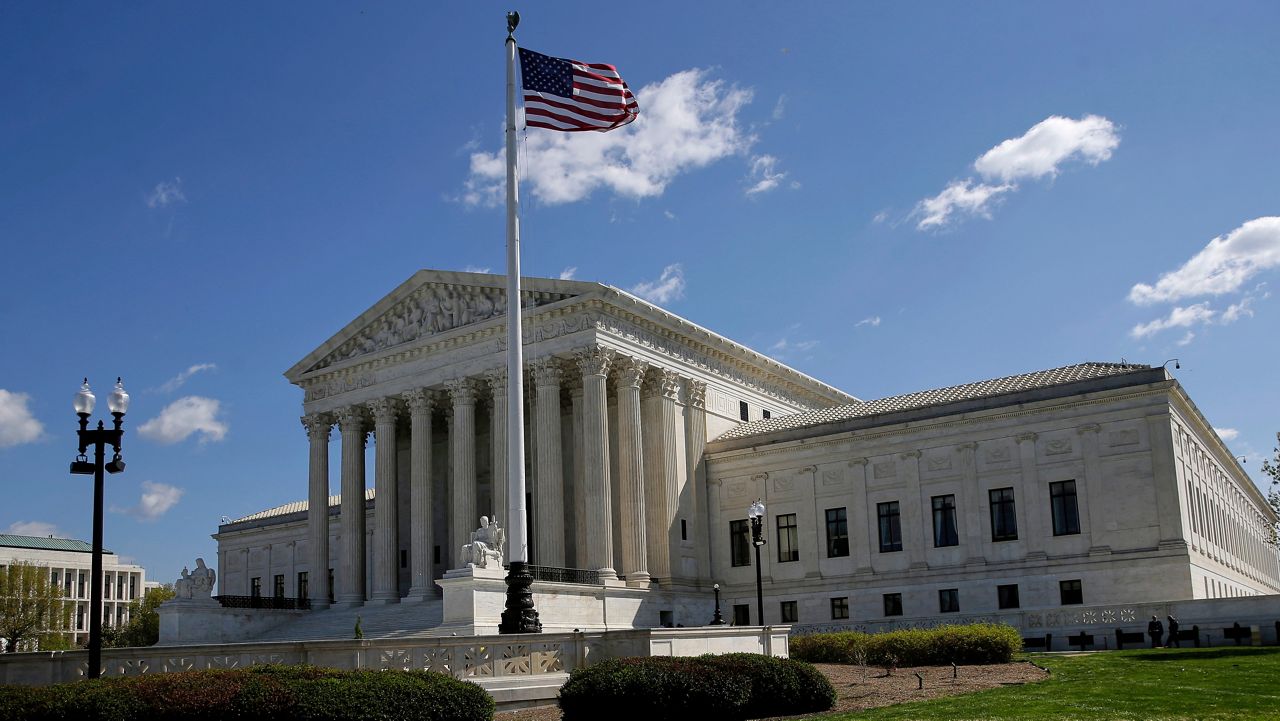
The Supreme Court delivered significant rulings on Thursday, addressing key issues concerning immigration, gun rights, and liability for herbicide manufacturers. The court, which includes six conservative and three liberal justices, overturned a Hawaii statute that mandated permits for individuals carrying firearms onto private property. Additionally, the justices upheld an initiative by the Trump administration to terminate legal protections for immigrants fleeing violence and natural disasters in Haiti and Syria, facilitating a return to previous immigration policies that could restrict entry for asylum seekers at the U.S.-Mexico border.
In another notable decision, the court issued a ruling potentially shielding manufacturers of the Roundup herbicide from a wave of lawsuits related to claims associated with its use.
The Supreme Court’s decisions underscore its ongoing influence on pivotal legal matters that intersect with current political climates and societal concerns.
Senate Republicans face backlash from Trump following rejection of war powers resolution
In a response to intense criticism from President Donald Trump regarding their position on the Iran war, Senate Republicans voted late Wednesday to reject a war powers resolution, despite previously supporting similar legislation. The tumultuous interaction began when Trump vocally expressed his disapproval to Republican senators, notably targeting Louisiana Senator Bill Cassidy, one of four Republicans who aligned with Democrats on the issue. This confrontation disrupted Republican priorities as they aimed to focus on election-related affordability challenges.
Following the tensions, Senator Cassidy attended a private briefing at the White House led by Vice President J.D. Vance and Special Envoy Steve Witkoff, after which he reversed his stance, voting against a nearly identical resolution. Senator Rand Paul of Kentucky also weighed in, stating that he voted present to afford the president additional room to negotiate a comprehensive peace agreement. Ultimately, the resolution was defeated by a count of 47-50-1, just prior to a two-week Senate recess.
British military reports attack on cargo ship in the Strait of Hormuz
The British military confirmed on Thursday that a projectile struck a cargo ship navigating through the Strait of Hormuz, an essential route for United Nations aid, as multiple tankers sought transit through the area. While the source of the projectile remains unknown, this incident comes on the heels of Iran’s threats to vessels traversing the strait without its consent.
The UK Maritime Trade Operations Center noted that the ship sustained damage from the attack off the coast of Oman, although no casualties or environmental repercussions have been reported. The establishment of alternative navigation routes through this strategically significant body of water could alleviate pressure on the global economy and diminish Iran’s leverage in ongoing negotiations with the United States. U.S. Secretary of State Marco Rubio, currently in the Gulf region to reassure allies, emphasized America’s commitment to securing new maritime pathways during his visit.
Federal judge blocks Trump’s executive order on voter registration
A federal judge halted President Donald Trump’s executive order aimed at establishing a federal voter list and restricting mail-in ballots. U.S. District Judge Indira Talwani ruled in favor of a coalition of states challenging the constitutionality of the order, which sought broad authority over election procedures traditionally managed by states and Congress.
The plaintiffs argued that the president’s directives, including the use of the U.S. Postal Service to facilitate the federal voter list, posed an unconstitutional overreach violating the separation of powers. The court’s decision directly impacts the midterm elections, affirming that electoral governance resides within state jurisdictions. The ruling highlights the delicate balance of power and states’ rights in shaping election legislation.
Vandalism reported at Lincoln Memorial’s reflecting pool
In a concerning development, officials from the National Park Service revealed that the liner at the bottom of the Lincoln Memorial’s reflecting pool was damaged with a sharp object earlier this month. This incident, occurring during a $16 million restoration project, prompted an investigation by the U.S. Park Police.
According to Frank Lands, the park service’s deputy director of operations, damage reports indicated significant disruption, including cutting through foam sealant and removing caps from approximately 70 fence posts, which were found discarded in the pool. This troubling act of vandalism not only poses a setback for restorative efforts but also raises concerns about the preservation of national landmarks.
Additional Updates from Thursday
• House Freedom Caucus intensifies pressure on Senate to pass the SAVE America Act
• Headline inflation reaches a three-year peak, signaling ongoing affordability challenges
• Florida Governor DeSantis announces the closure of the Alligator Alcatraz facility
• UK MPs set to question Leon Black regarding his connections to Jeffrey Epstein while Ghislaine Maxwell seeks to overturn her conviction
• Senate Democrats launch an election observer program in preparation for upcoming elections
