


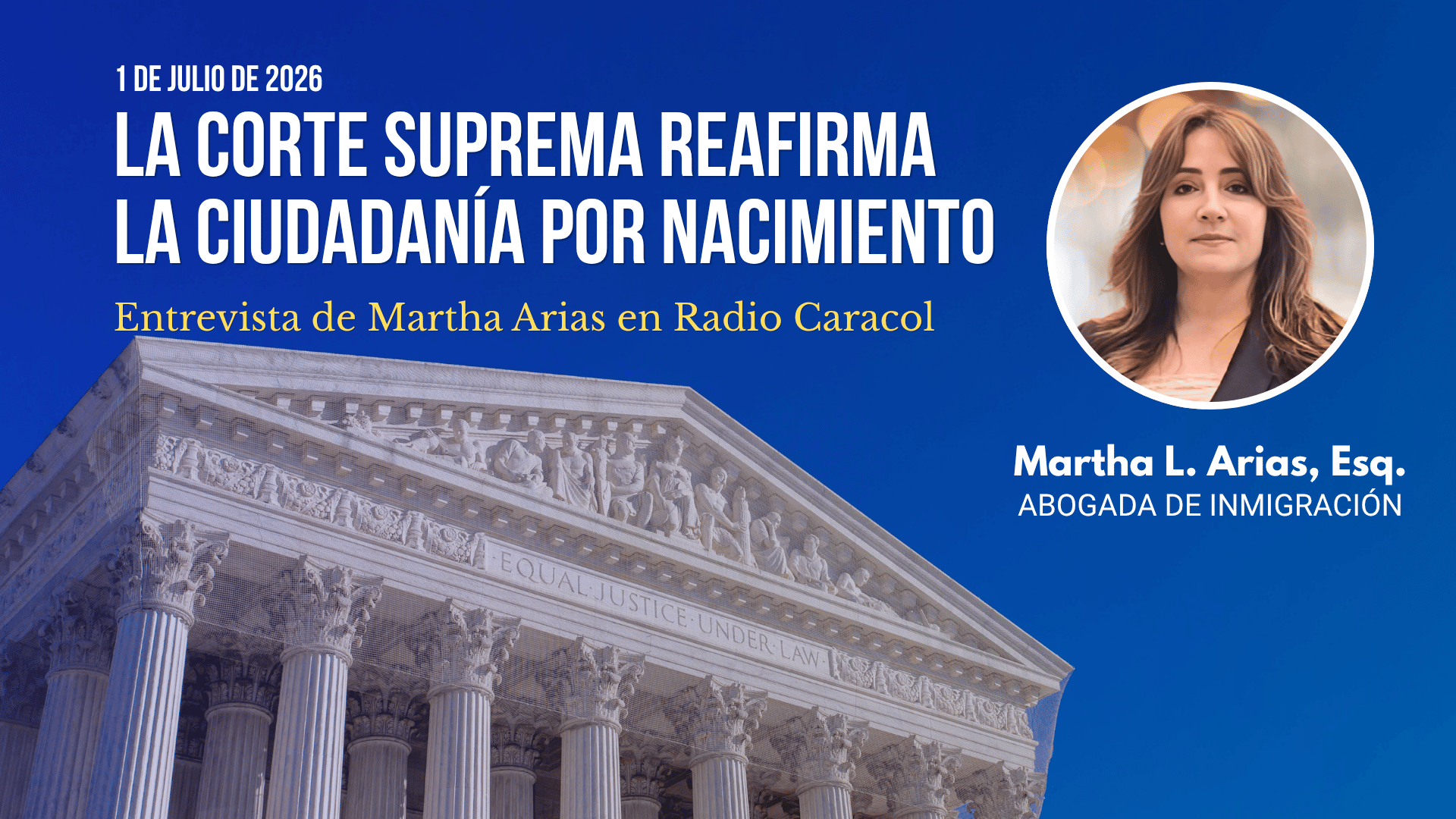
Supreme Court Affirms Citizenship Rights for Children of Undocumented Parents
During a recent discussion, legal expert Martha Arias clarified the implications of a U.S. Supreme Court ruling regarding citizenship for children born in the country. The court addressed a pivotal question: Are children born in the U.S. to undocumented parents or those temporarily present considered American citizens?
The court’s unanimous decision affirmed that yes, these children are American citizens because they are subject to U.S. laws. This finding rests on the Fourteenth Amendment of the U.S. Constitution, which stipulates that all individuals born in the country are citizens, provided they reside there.
Last year, the government attempted to redefine citizenship through an executive order, suggesting that children of undocumented or temporarily present parents did not possess U.S. citizenship. This interpretation argued that such individuals were not subject to U.S. jurisdiction while residing here. However, the Court rejected this stance, emphasizing that all individuals born on U.S. soil are citizens irrespective of their parents’ legal status.
When asked who stands to benefit from this ruling, Arias was clear: the decision positively impacts all those born in the United States. It applies retroactively, meaning children born in the past to undocumented parents are protected. Arias underscored the consequences had the court ruled differently, potentially leading to millions being stripped of their citizenship and facing daunting repercussions.
Furthermore, the decision affects children born to those temporarily in the country, such as on tourist or student visas. However, Arias cautioned against “birth tourism,” where individuals come to the U.S. solely to give birth. She pointed out that such actions have fueled discussions on immigration policy and prompted tighter regulations from the government.
Despite the clear ruling, some, including former President Trump’s allies, may still seek legislative avenues to challenge the court’s decision. Arias noted that, based on her legal knowledge, this ruling is pivotal under the current constitutional framework. Nevertheless, any attempts to amend the Constitution would face significant hurdles and would be complicated, particularly given the current legislative climate ahead of the upcoming elections.
It’s also important for parents of U.S. citizen children to understand their rights. While these children can petition for their parents, this process only initiates when they turn 21. Undocumented parents remain at risk for deportation regardless of their child’s citizenship status, a significant aspect that many are unaware of.
As the conversation around immigration continues to evolve, misinformation remains prevalent. Arias encourages anyone concerned about their immigration status or that of their family to reach out for professional guidance. With her extensive experience, Arias offers insights that could clarify complex situations for many families navigating these challenging waters.
