


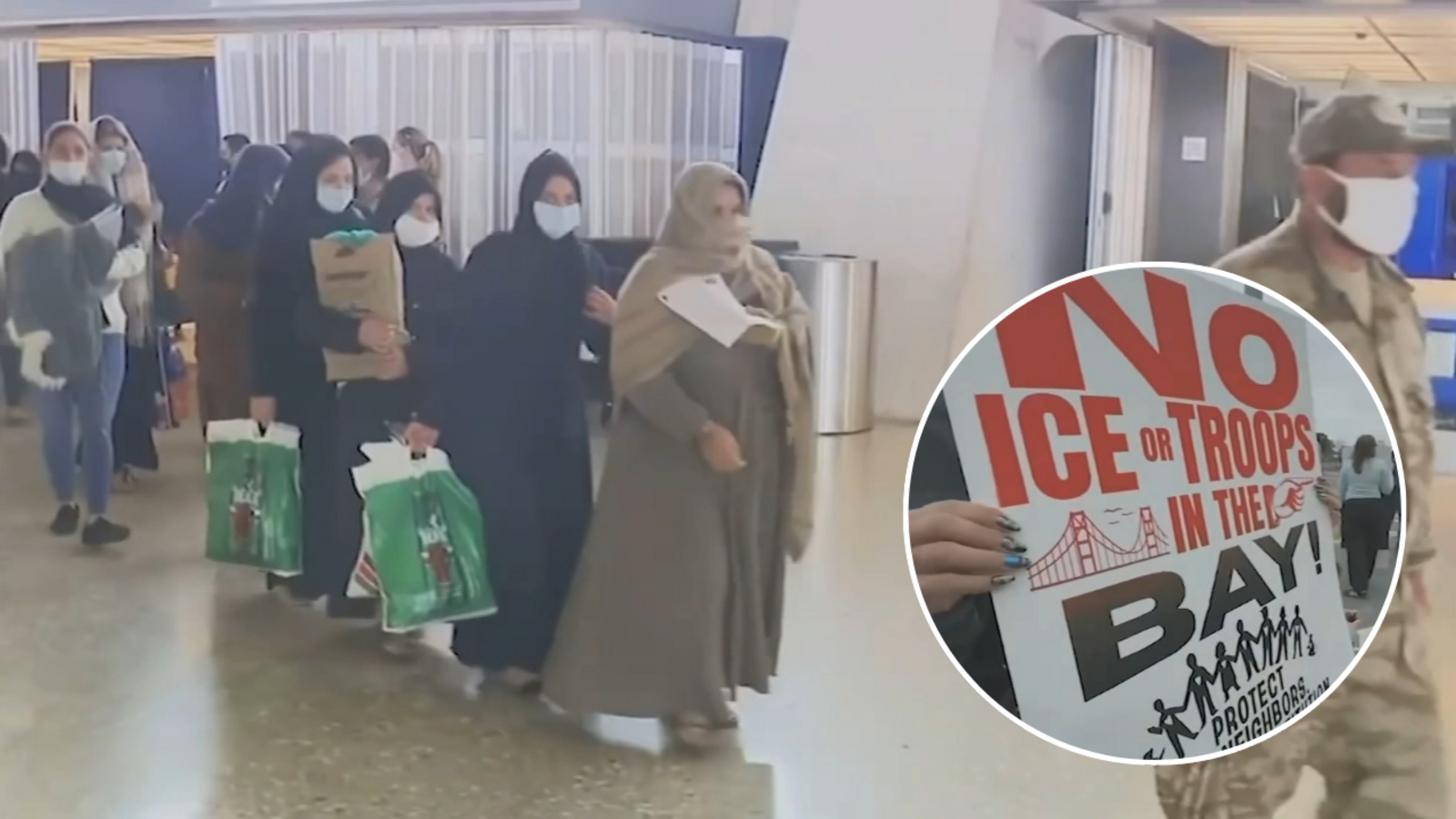
Supreme Court’s Decision on Temporary Protected Status Sparks Concerns Among Immigrant Advocates
FREMONT, Calif. — The Supreme Court’s recent ruling, which concludes Temporary Protected Status (TPS) for Haitians and Syrians, has alarmed immigrant advocates in the Bay Area. They argue that this decision may set a dangerous precedent impacting other immigrant communities across the nation.
Significant Blow to Immigrant Communities
Immigration attorney Supodimy Nasiri described the ruling as a serious setback for individuals who depend on temporary protection. “The Supreme Court’s decision in Mullins v. Doe is devastating for immigrant communities,” he stated, underscoring the gravity of the situation.
Understanding Temporary Protected Status
Temporary Protected Status enables individuals from countries beset by war or environmental crises to reside and work legally in the United States. Advocates express concern that this ruling not only paves the way for potential deportations but may also influence future immigration policies.
Wider Impact on Immigrant Groups
According to Nasiri, over 1.3 million immigrants from 17 different countries are affected by TPS. He noted the heightened fear within the Afghan community, especially following last April’s letters from the Department of Homeland Security, urging some Afghan parolees to leave the U.S. immediately.
Legal Protections in Jeopardy
Although deportation is not imminent, Nasiri pointed out that additional federal measures continue to limit legal recourse for many immigrant groups, including travel bans and the suspension of asylum claims. The decision leaves many individuals uncertain about their legal options, as many deported will not return to their country of origin due to the very threats that prompted their immigration.
Consequences of Revoked Status
Revoking TPS not only affects an immigrant’s ability to work legally but also results in the suspension of crucial documents, such as driver’s licenses, leading to severe financial ramifications for individuals relying on them.
Potential Future Implications
Kim Geron, a professor emeritus of political science at California State University, East Bay, noted that while the Supreme Court’s decision is not unexpected, it is unprecedented in its implications. He warned that the ruling could transform how lower courts address similar cases moving forward, potentially leading to mass deportations and changes within the broader immigration framework originally established by the Bush administration in the 1990s.
Ripple Effects Anticipated
Advocates caution that the fallout from this decision could extend beyond the directly affected groups. Ongoing legal issues and policy shifts will likely shape immigration protections across the United States, raising concerns about the future of immigrant rights and the integrity of TPS itself.
