


Supreme Court Ruling on Temporary Protected Status Raises Alarms Among Immigrant Advocates
Recent Supreme Court action terminating Temporary Protected Status (TPS) for Haitians and Syrians has sparked significant unease among immigrant advocates in the Bay Area. They caution that this ruling may set a concerning precedent impacting other immigrant communities nationwide.
Immigration attorney Supodimy Nasiri expressed that the court’s decision poses a severe setback for those reliant on temporary protections. He stated, “The Supreme Court’s 6-3 ruling in Mullins v. Doe delivers a devastating blow to immigrant communities.”
Temporary Protected Status is designed to shield individuals from countries afflicted by war or environmental disasters, allowing them to live and work legally in the United States. Supporters of TPS argue that the recent ruling heightens the risk of deportation for affected individuals and may also influence future immigration policies.
According to Nasiri, over 1.3 million immigrants from 17 different countries depend on TPS for their legal residency in the U.S. He recounted the fears within the Afghan migrant community, which he has served extensively. Last April, the Department of Homeland Security (DHS) reportedly sent letters to certain Afghan parolees urging them to leave the U.S., warning that federal authorities would seek their removal.
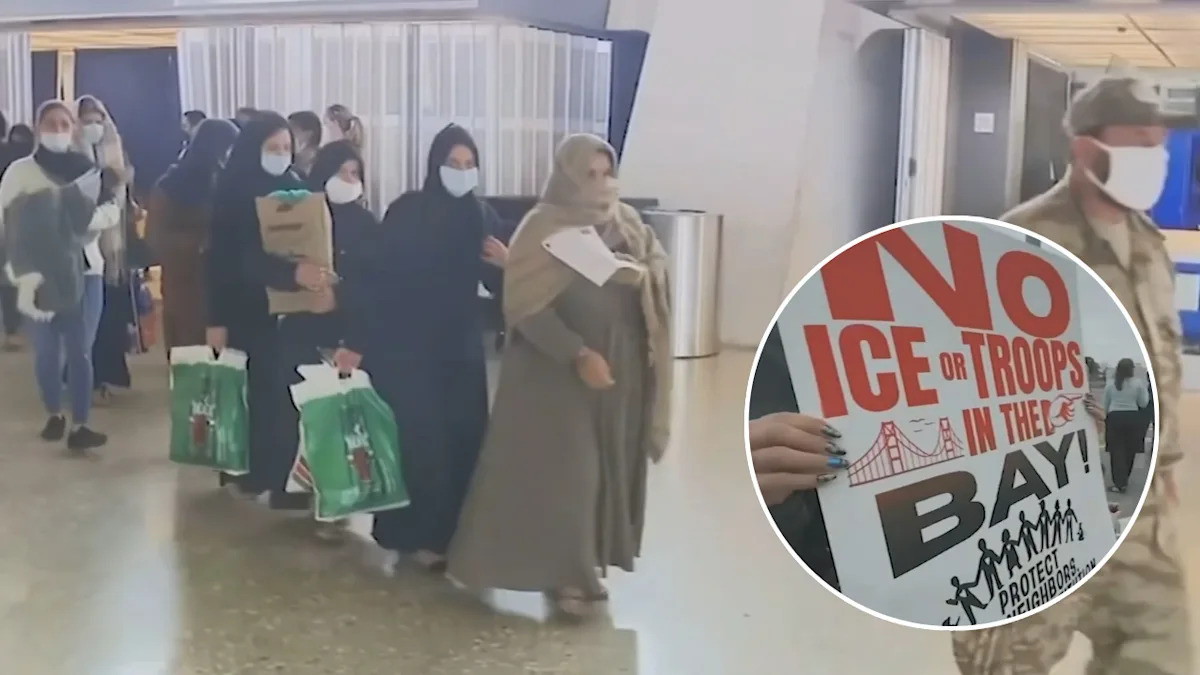
Since TPS for Afghans ended in July and the subsequent announcement in November regarding the halt of immigration processing for Afghan nationals, the situation has further deteriorated. Recently, Immigration and Customs Enforcement (ICE) conducted door-to-door checks in communities with significant Afghan populations, causing anxiety and uncertainty for many.
While deportation is not an immediate concern, Nasiri highlighted the federal policies that further restrict the legal avenues available to specific immigrant groups, pointing to travel bans and the suspension of asylum claims. The ruling is anticipated to leave many individuals in a state of confusion regarding their legal options, especially given that deportations may not lead to individuals being sent back to their countries due to the very reasons they sought refuge.
Revoking TPS suspends not only the efficacy of work authorization but also affects individuals’ driver’s licenses, carrying severe financial implications for those who rely on them for their livelihoods. Nasiri underscored these serious consequences, emphasizing the disruption it brings to their daily lives.
Kim Geron, a political science professor emeritus at California State University, East Bay, remarked that while the Supreme Court’s decision is not unexpected, it marks an unprecedented moment in U.S. immigration policy. He noted that by 2026, only certain groups, specifically white South Africans, will be granted asylum, arguing that the decision signals an underlying agenda toward mass deportation and ethnic cleansing aimed at reshaping America’s demographic makeup.
Geron stressed the potential ramifications this ruling could have on the broader immigration landscape, highlighting that TPS, established by the Bush administration in the 1990s, has long provided essential protections for individuals from crisis-stricken nations. Currently, the majority of TPS holders in California hail from El Salvador, Haiti, and Honduras.
He anticipates that this Supreme Court decision will influence how lower courts address similar immigration cases moving forward. There is concern that the ruling may encourage appeals from the Trump administration, possibly leading to an influx of cases revisiting this ruling at higher judicial levels.
Advocates caution that the fallout from this decision will likely extend beyond the immediate populations affected, as evolving legal issues and shifting policies continue to redefine immigration protections across the United States.
