


Urgent Reform Needed for Nigeria’s Budget System
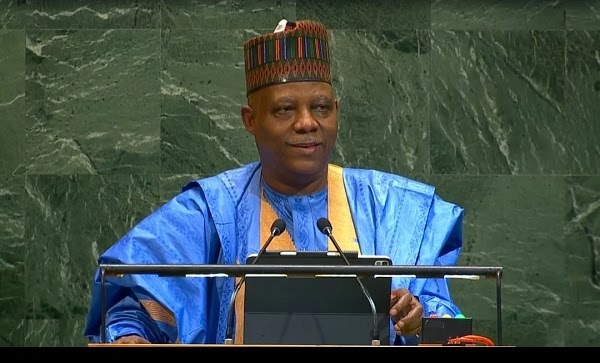
Key stakeholders, including Vice President Kassim Shettima and former Federation Budget Director Ben Akabueze, have emphasized the urgent need for reforms in Nigeria’s budgeting system. They warned that a significant number of projects across the nation are being abandoned due to ongoing discrepancies between planning and implementation.
National Policy Dialogue Highlights Systemic Failures
This plea for reform was articulated during a two-day National Policy Dialogue on National Development Planning and Budgeting, hosted by the Parliamentary Joint Committee on National Planning and Economic Development in Abuja. Akabueze disclosed that Nigeria is currently facing over 56,000 abandoned projects, which he attributed to systemic failures in aligning budgets with national developmental goals.
Call for Development-Driven Budgeting
He pointed out that the current budgeting approach fails to align financial allocations with developmental outcomes. “Budgets should act as a compass guiding resources to national priorities, but this clearly isn’t happening,” he noted, arguing for a shift towards budgeting that focuses on tangible results that impact citizens’ lives positively.
The Need for a Comprehensive Legal Framework
Akabueze further highlighted the absence of a comprehensive legal framework as a critical vulnerability in Nigeria’s budgeting process. He criticized the current constitutional provisions as too ambiguous, lacking the necessary clarity to enforce accountability and efficiency. “The budget process lacks defined roles and responsibilities, relying solely on the president’s presentation before the fiscal year begins,” he observed.
Challenges in Legislative Efforts
Reflecting on past legislative efforts, Akabueze recalled that attempts to establish an organic budget law in the 9th National Assembly were unsuccessful, as the bill did not receive approval before the administration ended. He argued that enacting such a law would instill clear procedures and enhance fiscal discipline.
Aligning Budgets with Long-Term Development Goals
Vice President Shettima echoed these sentiments while representing Tope Fasua, Special Assistant to the President on Economic Affairs. He stressed the necessity of aligning annual budgets with medium- and long-term development strategies to foster Nigeria’s overall growth. “We must move beyond routine fiscal exercises to a more integrated approach that combines planning and budgeting to truly accelerate progress,” he stated.
Rethinking Budgeting for Real Welfare Improvements
Shettima emphasized that budgeting should extend beyond merely tracking gross domestic product (GDP) figures. He argued that it should also capture genuine improvements in societal welfare, such as poverty reduction and enhanced per capita income. Defending the expansion of the 2026 budget to approximately 68 trillion Naira, he insists that budgeting must be a forward-looking endeavor focused on achieving national aspirations rather than being constrained by past limitations.
Enhancing Fiscal Reforms and Productivity
The Vice President also outlined ongoing fiscal and revenue reform efforts, expressing confidence that enhanced revenue collection, coupled with technological advancements, would bolster the government’s capacity to finance developmental priorities. He cited recent policy measures, including reduced tariffs on essential raw materials and the elimination of tariffs on pharmaceuticals and key manufacturing equipment, as initiatives to boost productivity and relieve economic pressures on citizens.
Addressing the Disconnect for Sustainable Growth
Participants in the dialogue collectively recognized the urgent need to bridge the gap between national planning and budget execution. They voiced concerns that without strengthened collaboration, accountability, and a results-oriented approach, achieving Nigeria’s developmental objectives will remain a formidable challenge.
