


Overview of Trump’s Plans for Sanctuary Cities
The Trump administration is considering a controversial plan to suspend immigration and customs processing in Democratic-run cities, which could significantly disrupt travel and trade. International passenger and cargo arrivals may come to a standstill, prompting concerns from airlines, tourism organizations, and government officials about potential economic repercussions.
Homeland Security Secretary Mark Wayne Mullin has indicated that the administration is “developing a plan” aimed at halting immigration processing in cities labeled as “sanctuaries.” These jurisdictions have historically resisted federal efforts to enforce strict immigration laws.
If enacted, the plan could effectively shut down international operations at major airports in cities governed by Democrats. This move comes at a time when millions of tourists are expected to visit the United States for the upcoming FIFA World Cup in June, raising further concerns about its timing and broader impact on the economy.
Markwayne Mullin’s Comments on Sanctuary City Plans
In a recent interview on Fox News’ Sean Hannity Show, Mullin discussed the evolving situation but noted that no final decisions had been made. He emphasized that federal authorities “should not be handling” international flights to sanctuary cities, criticizing local Democratic leaders for obstructing federal law enforcement.
Mullin’s remarks reflect a broader frustration within the administration regarding perceived impediments to enforcing immigration policies. He called out the “radical left Democratic Party” for not allowing federal officials to carry out their duties effectively.
Defining Sanctuary Cities in the Context of Immigration Policy
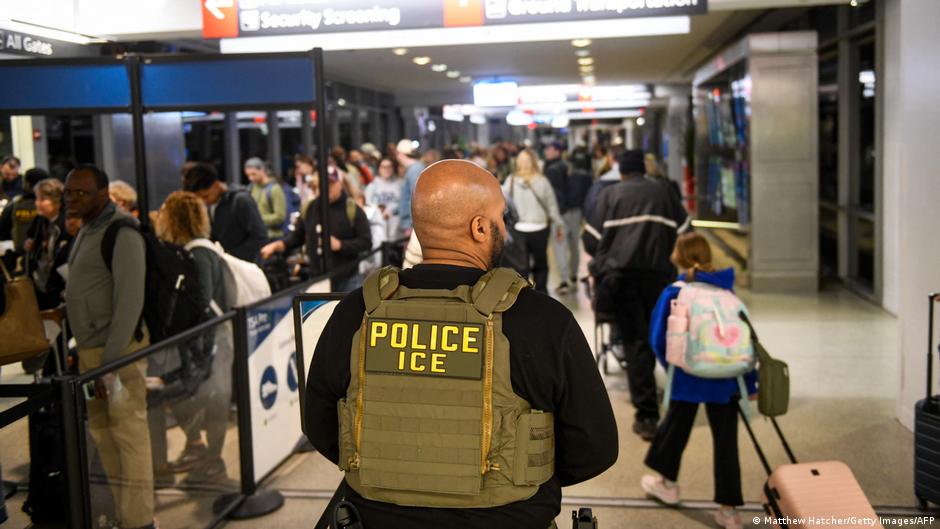
The Trump administration views sanctuary cities as pivotal in its crackdown on illegal immigration. Immigration and Customs Enforcement (ICE) agents have been deployed to these regions, including major metropolitan areas like Los Angeles and Washington, D.C. The White House has also sent federal National Guard units to reinforce its policies.
While there is no universally accepted definition of a “sanctuary city,” the U.S. Department of Justice released a list in August 2025, categorizing certain cities as obstructors of federal immigration laws. Notably, most listed jurisdictions are led by Democrats, including Boston, Philadelphia, Chicago, New York City, and San Francisco.
The administration’s aggressive stance on immigration has sparked considerable opposition in these cities. Incidents of violence, such as the recent killings of two Americans during a confrontation with ICE and Customs and Border Protection (CBP) agents in Minnesota, have fueled further tensions.
Travel Industry’s Response to Proposed Changes
The travel industry has reacted strongly to Mullin’s suggestion of relocating immigration officials from key airports. Major organizations, including the U.S. Travel Association and various airlines, have condemned the proposal, warning it could have disastrous effects on both the travel sector and local economies reliant on international tourism.
In a statement, the U.S. Travel Association expressed that the proposed measures would have “devastating consequences” for the travel industry. The Airlines for America trade group echoed these concerns, stating that suspending CBP services could lead to significant disruptions in aviation and tourism, affecting both travelers and cargo transport.
Even within the Trump administration, dissenting voices have emerged. Transportation Secretary Sean Duffy publicly criticized the idea of imposing travel restrictions based on political disagreements during a Congressional hearing. He made a case for maintaining open travel channels, arguing that political divisions should not hinder the movement of people across the country and internationally.
As the situation develops, the implications of the Trump administration’s plans remain uncertain, with potential consequences for both the economy and the ongoing debate around immigration policy in the United States.
