


Exploring the Current State of Global Displacement
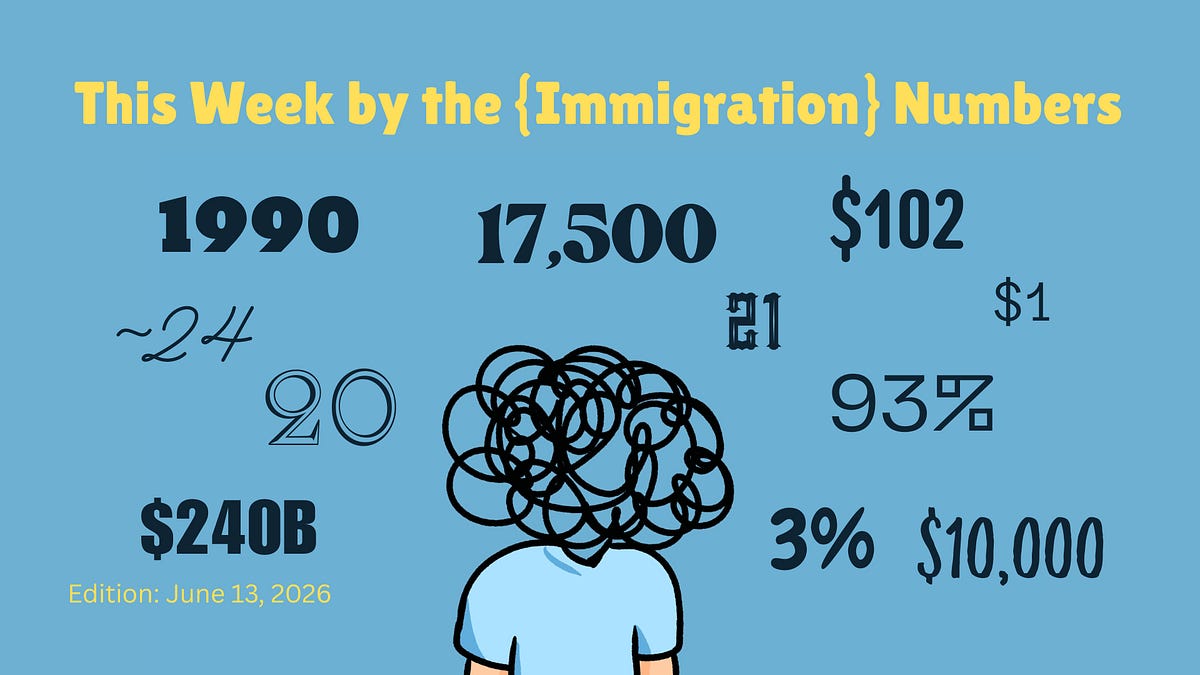
This week marks World Refugee Day, a day dedicated to honoring the resilience of those forced to flee their homes due to conflict, persecution, and disaster. As the United Nations reports, the number of forcibly displaced individuals has reached a staggering 117.8 million, highlighting a significant global crisis. Notably, this represents the first decline in a decade, a trend attributed to a drastic reduction in refugee funding. The U.S. State Department has decreased its refugee aid from $4.6 billion in the 2024 fiscal year to an anticipated $3.2 billion next year. In addition, U.N. agencies have cut roughly a quarter of their global workforce. Compounding these issues, the U.S. has frozen most refugee admissions while marginally increasing the annual cap to 17,500, mainly prioritizing the resettlement of white South Africans, over 6,000 of whom have already arrived since last year.
The Importance of World Refugee Day
World Refugee Day serves as a vital reminder of the urgent need to protect marginalized populations. A growing sentiment of hostility towards refugees in many Global North countries contrasts sharply with the compassion often shown by local citizens eager to welcome newcomers. To make a difference this year, consider supporting organizations that provide direct assistance to refugees. Notable groups include the International Rescue Committee, which resettles refugees while offering humanitarian programs in crisis-hit areas, and HIAS, which provides legal assistance and protection for refugees of all backgrounds. Other organizations, such as Church World Service and the International Refugee Support Project, are also worthy of attention as their missions directly impact lives.
Immigration Enforcement and Funding Concerns
The financial implications of immigration policies are striking. Heidi Altman of the National Immigration Law Center noted that the U.S. has committed approximately $240 billion to immigration enforcement, underscored by the recent $70 billion package for ICE and border security signed into law by President Trump. Altman emphasizes the need for legislative change, insisting that future protections for immigrant communities must be built on increased enforcement and oversight rather than compounding existing issues.
Rising Immigration Bond Costs
The cost of immigration bonds has skyrocketed, with cash bonds today exceeding three times their amount from a decade ago. Marie Serentino, from the Immigration Law Clinic at the University of Detroit Mercy, highlighted that the bond for individuals in similar situations has increased from $3,000 to an average of $10,000. This elevation in financial barriers leaves individuals like Carliana Perdomo, a legal resident currently in custody, struggling to cover rising legal costs.
Supreme Court Case Addressing Long-Term Detention
The Supreme Court has recently agreed to review a case involving Casey GM, a legal permanent resident detained for 21 months without a bail hearing, after being accused of an assault. The 2024 ruling stating that his detention was “unreasonably prolonged” raises critical questions about the rights of non-citizens in similar circumstances. The case may set a precedent on whether detained non-citizens can seek bail hearings to challenge their prolonged detention.
Changes to ICE Labor Regulations
In a significant policy shift, ICE has announced that it will no longer require private detention contractors to pay detained immigrants at least $1 a day for their labor. This change, which comes amid lawsuits against major contractors like Geo Group for allegedly violating minimum wage laws, raises serious ethical concerns. Detainees have historically performed essential tasks such as cooking and cleaning, and the removal of this requirement will significantly impact their working conditions.
Record Asylum Rejection Rates
New data reveals alarming trends in the asylum process, especially in Baltimore, where immigration judges rejected a staggering 93% of asylum applications in March. This statistic marks the highest rejection rate recorded in the court’s history, with crowded “megamaster” calendar hearings further complicating the situation. Advocates have voiced concerns that the rapid pace of these hearings compromises the ability of asylum seekers to present their cases effectively.
New Fees for Asylum Seekers
As of May 29, asylum applicants are now required to pay an annual fee of $102 to keep their claims active, an unprecedented move by the Department of Homeland Security. Additionally, these applicants will face delays in obtaining work permits, now needing to wait an entire year post-application. With over 3.3 million cases backlogged in immigration courts, these new requirements add further strain to individuals desperately seeking protection.
