


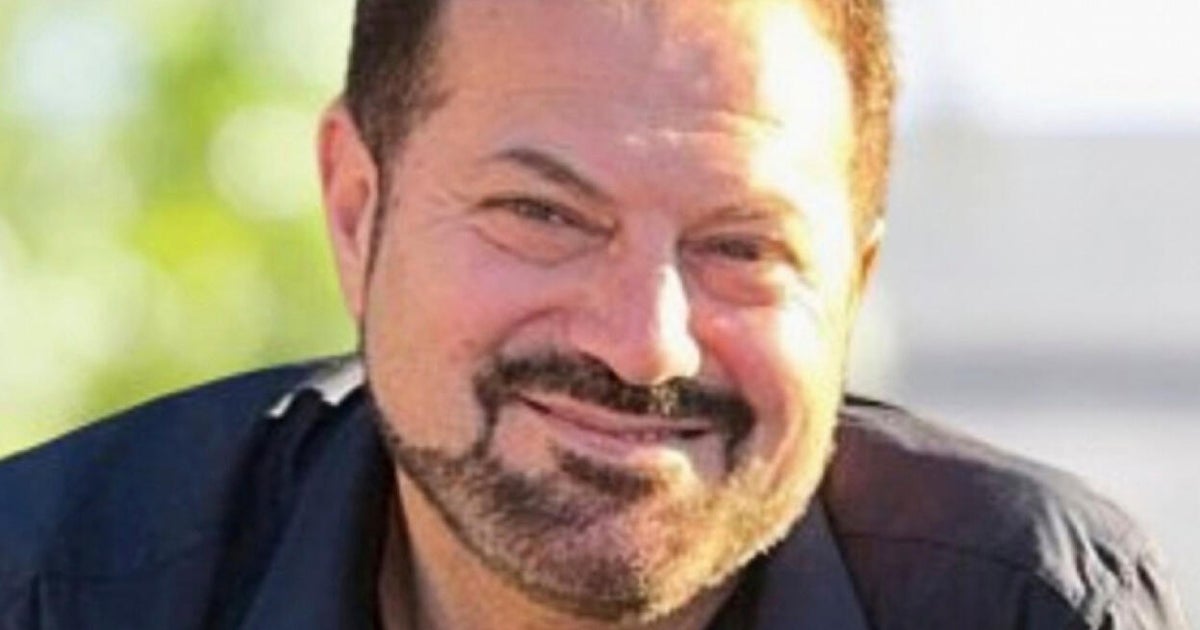
Judge Orders Release of Wisconsin Mosque Leader in Immigration Case
A federal judge ruled on Thursday that Salah Sarsour had presented “serious” claims of being targeted due to his remarks advocating for Palestinian rights. This decision led to the release of the head of Wisconsin’s largest mosque from immigration custody.
Background of the Case
Sarsour, a Palestinian native and legal permanent resident of the United States, was detained by U.S. Immigration and Customs Enforcement (ICE) agents on March 30. The government asserts that he poses a foreign policy threat; however, Sarsour’s legal team contends that his detention stems from his outspoken criticism of Israeli policies.
Judge’s Ruling on Free Speech Claims
U.S. District Judge James Patrick Hanlon indicated that the arguments put forth by ICE and the Department of Homeland Security (DHS) lacked sufficient evidence to counter Sarsour’s allegations of free speech retaliation. Furthermore, the government failed to clarify why, after more than 30 years as a legal resident, Sarsour is now deemed a threat.
First Amendment Rights Asserted
Hanlon, nominated by President Trump in 2018, emphasized that raising concerns about foreign relations does not invalidate First Amendment rights. He ordered Sarsour’s release from the Indiana county jail, allowing him to return home to Milwaukee as his immigration case proceeds.
Health Concerns Behind Detention
Following his release, which came just hours after the ruling, Sarsour expressed immense relief at being reunited with his family after 80 days in confinement. He underscored the importance of advocating for the silenced, vowing to continue speaking out for Palestine and humanity. His health also deteriorated during his detention due to type 2 diabetes, with lawyers citing inadequate medical care as a serious concern.
Legal and Medical Issues Highlighted
Sarsour’s legal representatives stated they were profoundly affected by his ordeal, asserting that his detention was unwarranted. They reflected on the ruling as a stark reminder of the vulnerability of free speech rights, especially if the government can target individuals like Sarsour. Reports from KFF Health News and The Associated Press also revealed a troubling pattern of medical neglect among detainees across various states.
Understanding Sarsour’s Legal History
Notably, Sarsour has no criminal history in the United States. However, he was convicted in Israel in the late 1980s and early 1990s by a military court, allegations he denies. Critics have raised concerns about the lack of due process in such military courts, though Israel maintains its position against these claims.
Importance of Community Ties in Ruling
Judge Hanlon highlighted Sarsour’s substantial community connections, including his U.S. citizen spouse, six children, and nine grandchildren, as significant factors in his decision to grant release. Sarsour’s son, Kareem, articulated the emotional toll of their father’s detention, expressing hopes for the freedom of others in similar situations.
