


Employers Highlight Immigration Reform as Solution to Labor Shortage in Iowa
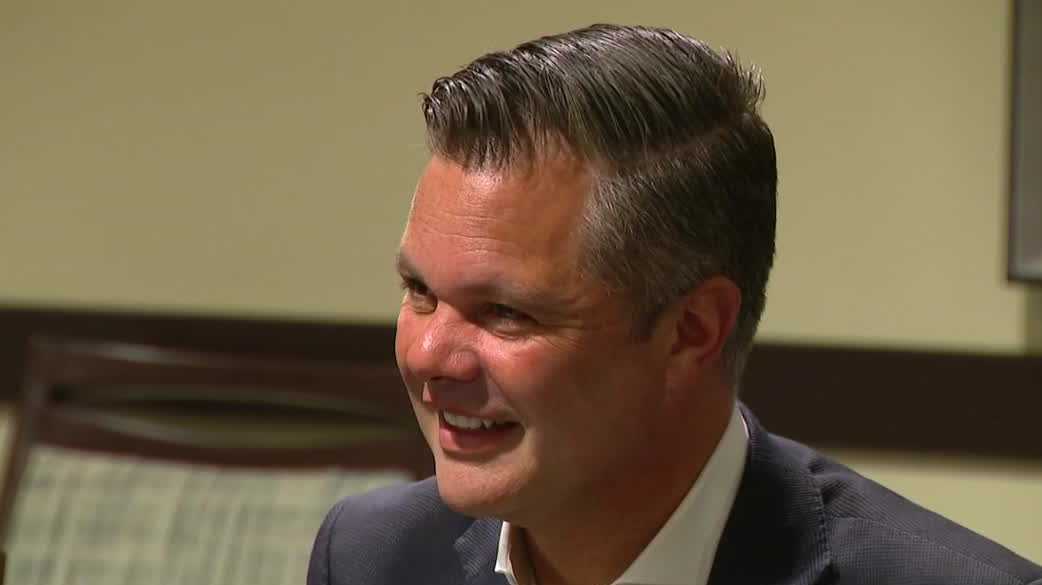
U.S. Representative Zach Nunn convened a roundtable discussion with Iowa employers on Friday to address the persistent labor shortage affecting various sectors. During the meeting, industry leaders underscored the importance of immigration reform as a critical component in tackling employment challenges across the state.
Collaborative Effort at Mill Pond Retirement Community
The roundtable was held at the Mill Pond Retirement Community in Ankeny and featured representatives from agriculture, hospitality, and healthcare sectors. This event was co-sponsored by LeadingAge Iowa and the American Business Immigration Coalition, underscoring a collaborative effort to find solutions to workforce issues.
Addressing the Ongoing Labor Shortage
Participants expressed ongoing concerns regarding labor shortages and emphasized that reforms to federal immigration policy could enable employers to hire qualified workers more effectively. Joe Murphy, president of the Iowa Business Council, noted, “We’re talking about common sense visa reform at the federal level.” He lamented that many immigration laws have not been updated in decades, urging stakeholders to focus on viable reforms that align with the needs of Iowa’s economy.
Modernizing the Immigration System
Nunn echoed the need for a modernized immigration system, particularly as border encounters decrease. He highlighted the fact that the current immigration framework has remained unchanged for approximately 30 years. As a co-sponsor of the bipartisan Dignity Act, he emphasized that this legislation aims to improve border security while also addressing immigration policy and the workforce demands of various industries. Notably, the Dignity Act would mandate electronic background checks for employers and establish a pathway to legal status for eligible workers.
Legal Work Opportunities and Workforce Protections
During the discussions, Nunn clarified that the initiative is not about granting broad amnesty but rather ensuring that individuals eligible to work in the United States can do so legally. He pointed out, “We should be looking at H-1A visas so that people can work in agriculture and contribute to Iowa’s communities.” This focus aims to provide farmers with the labor they need to thrive.
Importance of H-2B Visas for Critical Sectors
Nunn also emphasized the necessity of revisiting H-2B visas, particularly from dual perspectives of healthcare and hospitality. He highlighted the critical need for caregivers who can legally provide for families and the essential role that hospitality workers play in supporting Iowa’s economy.
Looking Ahead: A Call for Action
The conversation between Nunn and Iowa employers marks a significant step towards addressing labor shortages through targeted immigration reform. With sustained collaboration between lawmakers and industry leaders, there is potential for meaningful change that could benefit both employers and the workforce across the state.
