


Nigerian Women Entrepreneurs Face Hurdles in Business Expansion
In Nigeria, women entrepreneurs are increasingly ready to elevate their businesses. However, obstacles such as limited access to capital, governance skills, and structured support systems continue to hinder their progress from small ventures to established enterprises.
Women currently own nearly 40 to 50 percent of small and medium-sized enterprises (SMEs) across Nigeria, overseeing millions of businesses ranging from informal market stalls to growing SMEs. This impressive level of participation positions the country as a significant hub for women’s entrepreneurship on a global scale. Yet, many of these ventures struggle to evolve beyond mere survival, aiming instead for stability and greater financial investment.
The pressing question is no longer whether Nigerian women can successfully launch businesses, but rather whether the surrounding ecosystem—comprising banks, training institutions, and investors—is adequately prepared to facilitate their growth.
One critical challenge is what industry experts refer to as the “capacity gap.” Although many women-led businesses demonstrate stable revenues, few possess the essential financial structures, audited accounts, and governance frameworks needed to attract institutional investors. This deficiency is particularly concerning as Nigeria’s private sector endeavors to identify new growth avenues amid a turbulent economy marked by inflation, currency volatility, and escalating operating expenses.
A report from the International Finance Corporation reveals that women-owned SMEs in sub-Saharan Africa confront an annual funding shortfall exceeding $40 billion. This funding gap is attributed not only to persistent lending biases but also to the informal nature of many businesses, which often lack the documentation required for bank financing.
Access to structured training programs is beginning to alter this landscape for some entrepreneurs. Omoyemi Chukwura, CEO of Lagos-based Seams and Stitches, credits her participation in an executive education program for reshaping her company’s approach to financial oversight. A module focused on entrepreneurial accounting and governance prompted her to initiate a forensic audit of previously dormant corporate accounts.
This audit uncovered 3.8 million naira (approximately 240,000 yen) that had been overlooked for years, demonstrating how strengthening financial practices directly enhances business performance. Such cases reflect a broader trend: when entrepreneurs marry formal management education with the practical intuition gained from navigating Nigeria’s challenging business environment, their companies often become significantly more appealing to investors.
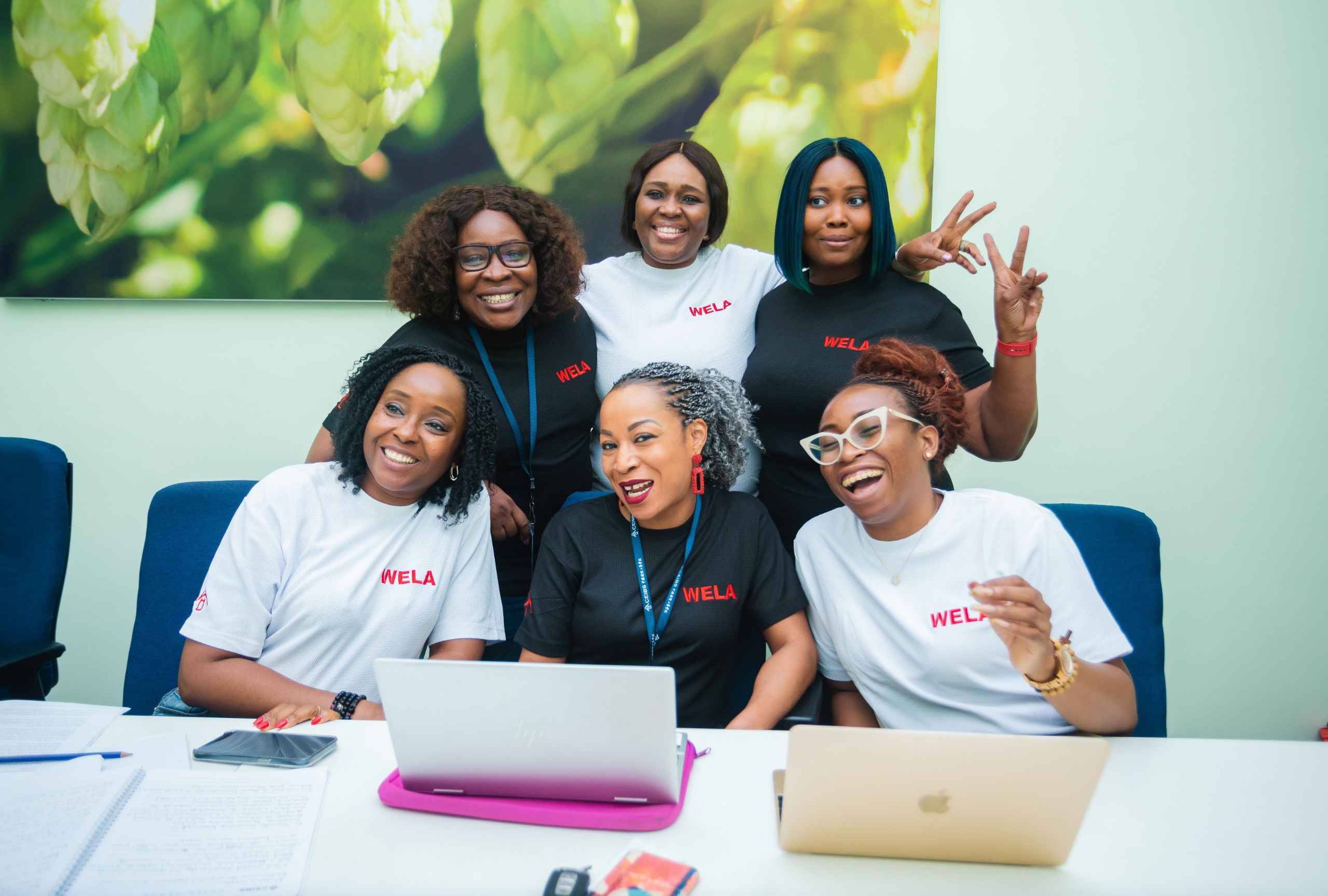
Initiatives like the Women Entrepreneurship and Leadership for Africa program, facilitated by the China-Europe International Business School, aim to bridge this knowledge gap. By offering targeted training in financial management, governance, and international trade, the initiative seeks to empower entrepreneurs in Nigeria and other African nations.
According to Gordon Kwesi Adomza, executive director of the school’s Africa Campus, the future of African entrepreneurship hinges on not merely surviving but institutionalizing operations. Adomza emphasizes, “Women entrepreneurs across Africa are demonstrating remarkable resilience and creativity. The next step is to establish structured, scalable companies that outlast their founders.”
Experts contend that improving business practices among women entrepreneurs could yield significant economic benefits. Given that Nigeria’s informal retail and services sector is largely female-dominated, enhancing the management capabilities of these women could boost overall productivity, create more job opportunities, and subsequently increase tax revenues.
This transformation could also strengthen Africa’s trade relationships with China and other global markets, unlocking new avenues for export-oriented SMEs if they can meet international standards. The crucial question remains for policymakers and investors: can support systems evolve rapidly enough to align with the ambitions of the entrepreneurs driving a large segment of the economy?
For many women business owners in Nigeria, the path forward is clear. Their ventures are rooted in resilience, yet the strength of institutional support could ultimately dictate whether they develop into the next wave of prominent African businesses.
