


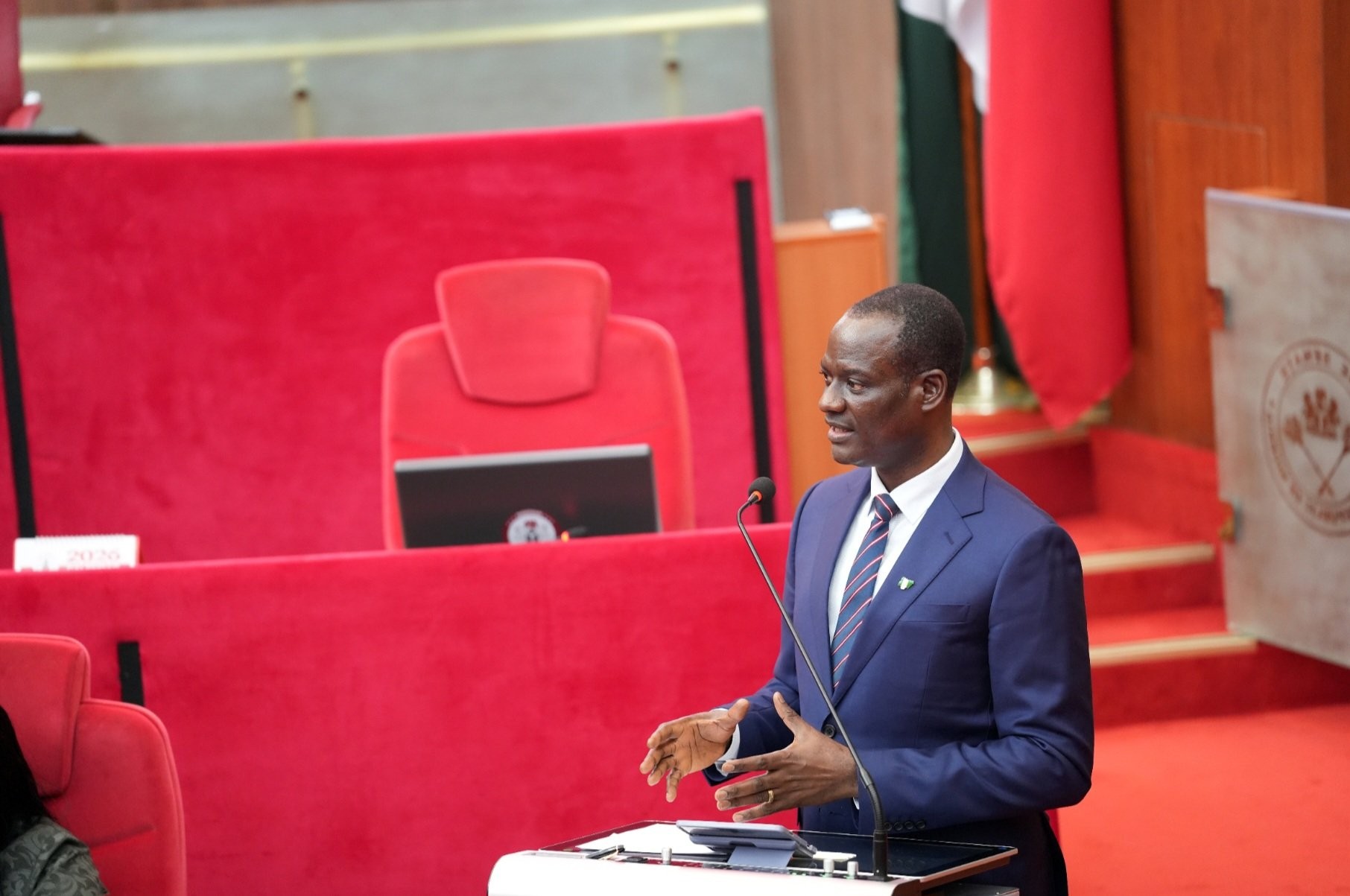
Nigeria’s Sovereign Credit Rating Upgrade Reflects Economic Reforms
The recent upgrade of Nigeria’s sovereign credit rating by S&P Global Ratings underscores the government’s efforts to enhance international confidence in the economy. This development signals a positive shift in Nigeria’s financial landscape, highlighting the potential effectiveness of ongoing economic reforms.
Official Response to S&P’s Upgrade
In a statement released on Saturday, Taiwo Oyedele, Nigeria’s Minister of Finance and Coordinating Minister for the Economy, expressed the government’s approval of S&P’s decision to elevate the country’s sovereign rating from ‘B-‘ to ‘B’, with a stable outlook. This upgrade supports earlier favorable assessments by Fitch Ratings and Moody’s Ratings in early 2025, reinforcing growing investor confidence.
Growing Confidence from International Institutions
The upgrade is a testament to the increasing trust that international financial institutions and investors are placing in Nigeria’s reform trajectory and its medium-term economic potential. Oyedele noted that these independent evaluations reflect the significant and necessary changes spearheaded by President Bola Ahmed Tinubu, which aim to establish a more stable, transparent, and resilient economy.
Key Factors Behind the Upgrade
Oyedele pointed out that S&P highlighted several crucial factors contributing to the rating increase, including India’s improving external financial position, better balance of payments, rising crude oil production, and enhanced domestic refining capabilities. Additionally, the statement emphasized notable advances in foreign exchange market reforms and fiscal policies designed to boost revenue, enhance debt sustainability, and improve fiscal transparency.
Debt Management and Investor Confidence
The Minister also acknowledged a significant improvement in Nigeria’s debt-to-revenue ratio since 2023, with expectations of further declines as reform measures take effect. The upgrades from Fitch, Moody’s, and S&P collectively send a strong message to global investors and development partners, indicating that Nigeria is gradually regaining macroeconomic credibility.
Commitment to Fiscal Responsibility and Structural Reforms
Oyedele reiterated the government’s dedication to prudent fiscal management, macroeconomic stability, and structural reforms that drive inclusive and sustainable growth. He stressed the administration’s firm stance against reinstating fuel subsidies, which he claims had created economic distortions, facilitated smuggling, and diminished foreign exchange liquidity.
Focus on Addressing Economic Challenges
Despite the positive developments in the credit rating realm, the Minister acknowledged ongoing economic challenges, including inflation, food insecurity, and unemployment. Oyedele emphasized the government’s commitment to addressing these issues with a focus on disciplined, pragmatic reforms and stakeholder engagement. He expressed the hope that these efforts will lead to meaningful prosperity for all Nigerians.
