


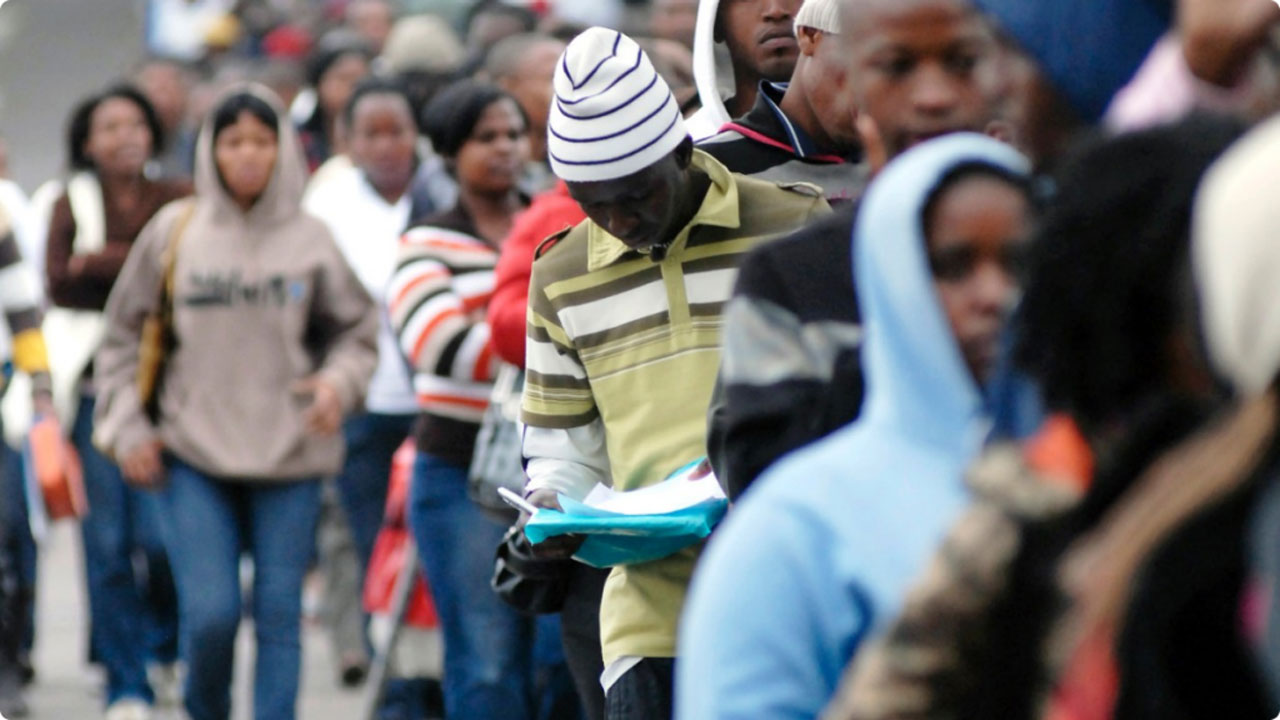
Nigeria Faces Growing Unemployment Challenge
Unemployment remains a significant concern for Nigeria’s economy and society, particularly in the wake of recent economic challenges. As reported by the National Bureau of Statistics (NBS), approximately 16 million Nigerians were unemployed in the third quarter of 2017, out of a total active labor force of 85.08 million. This alarming figure highlights the scale of the crisis at hand.
Understanding the Unemployment Landscape
The NBS report offers insight into the composition of the unemployed, indicating that 8.5 million individuals engaged in some form of economic activity for at least one hour, while 7.5 million reported no employment activity at all. In addition, about 18.02 million people are classified as underemployed, working between 20 and 39 hours a week, inadequate for full labor force classification. The repercussions of unemployment extend beyond mere statistics; they affect people from all social backgrounds, creating personal tragedies that resonate throughout communities. The psychological impact is particularly severe for the disabled, unskilled individuals, and older adults, who often struggle to find stable, meaningful work.
The Psychological Toll of Joblessness
The International Labor Organization (ILO) defines an unemployed person as someone who lacks a job, is ready to work, and is actively seeking employment. However, the definition becomes murky when part-time work is involved. Attitudes towards part-time employment vary globally, often complicating the assessment of true unemployment rates. This ambiguity can obscure the reality for many, leaving numerous individuals grappling with mental health issues such as emotional instability, frustration, and diminished self-esteem. The sense of security that accompanies steady employment evaporates, leading to anxiety about potential job loss and its far-reaching implications on family dynamics.
The Impact of Unemployment on Youth
Younger generations are particularly vulnerable to the effects of unemployment. A study conducted by the Ministry of Education and Science underscores the critical role that full-time employment plays in defining adulthood and achieving financial independence. For many young individuals, the absence of a stable job can stymie their transition into adulthood, with unemployment serving as a barrier to their development.
Reframing the Job Search Mindset
Despite the grim statistics, perspectives on job searching can influence outcomes. A shift in mindset may open doors to various employment opportunities. While seeking a job aligned with personal interests is important, the reality often necessitates flexibility. There are many available jobs that, while not ideal, may still offer fulfillment and stability. Being open to various roles in different fields, even those perceived as less desirable, can enhance employability.
Challenging Stigmas Around Employment
The stigma surrounding manual labor can dissuade job seekers from pursuing valuable opportunities. A young man once remarked on society’s reticence to engage in physically demanding work, pointing to the perception that such jobs lack prestige. Overcoming this attitude can lead to better overall health and well-being, as individuals adapt and grow accustomed to different work environments.
Taking Control of Your Career Path
Consequently, it is crucial for individuals to reassess their work values and habits. In times of economic uncertainty, adapting is vital—whether through performing home repairs or reducing personal expenses. Those still employed should evaluate their financial situations and preparation for potential job loss. Embracing diligence and a proactive approach to work quality can bolster job security, while making a concerted effort to enhance professional skills will facilitate future employment opportunities.
