


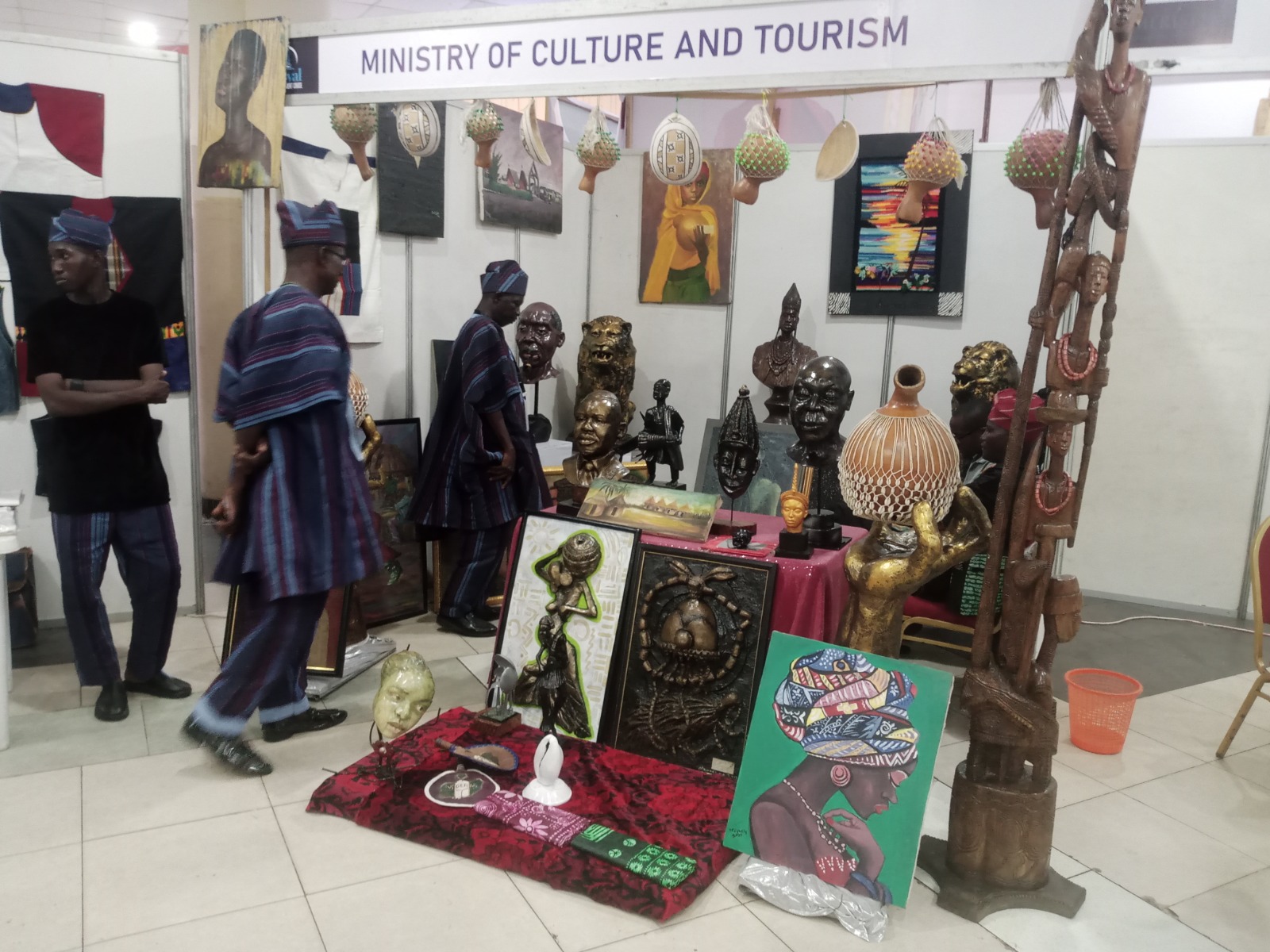
Oyo State Hosts Third International Tourism Summit
This week, government officials, stakeholders, investors, and partners convened at the International Conference Center in Ibadan for the third International Tourism Summit in Oyo State. The summit aimed to cultivate a robust tourism ecosystem designed to deliver long-term benefits for the Oyo populace, extending beyond the current administration.
Emphasizing Governance and Structure in Tourism Development
Abigail Anaba, Secretary of the #ITSOyoState2026 Organizing Committee, revealed that the Ministry of Culture and Tourism was established around three years ago following Governor Seyi Makinde’s return to power. Anaba emphasized that tourism is recognized as a vital economic pillar for the state, which played a significant role in securing the governor’s second term.
Even prior to this official establishment, efforts were underway to unlock Oyo’s tourism potential. The state boasts iconic attractions, including the Bowers Tower in Ibadan and Lake Iyake, one of only two suspended lakes globally. The region is also known for its vibrant festivals, such as the World Twins Festival in Igbo-Ora and the World Coral Festival in Oyo, alongside culturally rich narratives such as the Eremoso story of Ogbomoso.
Transitioning from Attractions to Sustainable Tourism
However, Anaba pointed out that a successful tourism economy cannot rely solely on physical attractions. To create sustainable revenue streams, a foundational structure and effective governance are essential. “Attractions alone do not create value; it’s the governance framework that maintains it,” she noted. Over the past three years, Oyo State has prioritized this fundamental shift.
Anaba recalled the initial focus on collaboration during the first International Tourism Summit in 2024. The emphasis now lies on designing a systematic framework for sustainable tourism development. “We are moving from simply asking ‘What do we have?’ to ‘How can we organize and enhance existing assets within the broader state framework?'” she explained, underscoring the significance of governance as a focal point for 2026.
Recommendations for Local Government Engagement
During the summit, all 33 local governments participated in a workshop aimed at creating a cohesive tourism economy aligned with the state’s strategic objectives. Participants visited several pivotal development facilities to see how tourism can be leveraged as an economic engine. This included exploration of agritourism potential at the Oyo State Agricultural Transformation Center and a visit to Laike Lake in Oke-Ogun to understand how heritage can be monetized. The KAP Film Village visit highlighted the need for infrastructural connectivity to support tourism development.
Introducing the 25-Year Tourism Master Plan
A focal point of the event was the unveiling of a 25-Year Tourism Master Plan and Lake Eleele Development Framework, aimed at establishing the creative economy as a significant contributor to local GDP. Kola Lawal, a member of the Tourism Master Plan Committee, noted that the project will operate under a public-private partnership model, providing unprecedented incentives for investors. The plan envisions the development of at least 33 tourism assets, with Itami designated as a central hub for film, music, fashion, and performing arts.
Lawal emphasized a phased approach to solidify the project across political terms, consisting of basic testing, cluster development, and global positioning stages. Since Governor Seyi Makinde took office, visitor numbers have increased dramatically from 1,600 to over 18,000, alongside a burgeoning hospitality sector that has expanded from 1,320 to more than 12,000 businesses in the same timeframe.
Governor Makinde Advocates for Institutional Change
At the summit, Governor Makinde articulated a vision for transforming tourism into a sustainable economic pillar through established institutional frameworks. He warned that mere leadership changes would not suffice for progress, highlighting the pitfalls of stalled projects like the 110 km-long Ibadan Ring Road. “We must develop mechanisms that ensure we are not solely dependent on the whims of leadership,” he argued.
In joining theory with practice, Makinde referenced the comprehensive 25-Year Tourism Master Plan and the signing of a significant 15-year concession agreement with System Spex for the redevelopment of the Bowers Tower, aiming to set a precedent for infrastructural improvement in tourism zones.
Transforming Film Production into a Tourism Asset
Filmmaker Kunle Afolayan, founder of KAP Film Village and Resort, shared insights on harnessing cinema as a catalyst for infrastructure development and tourism scaling. Initially conceived for film production, Afolayan noted that the site has evolved into a permanent tourism asset that has positively impacted the local economy. He underscored Oyo’s potential to transform its cultural offerings into primary tourist attractions, emphasizing that visibility through film and substance through culture can drive economic growth.
The Necessity for Resilient Systems in Tourism
Former Ekiti State Governor Kayode Fayemi, as the summit’s special guest of honor, echoed the importance of creating enforceable frameworks that withstand political transitions. He praised Oyo’s 25-year master plan while asserting that true success in tourism hinges on the transition from ambition to policy, then to actionable systems.
Fayemi shared his experiences in Ekiti regarding harnessing natural assets like Ikogosi Hot Springs and Alinta Falls, advocating for an approach that sees tourism as not merely a supplemental project but as an integrative force driving broader economic growth through transportation, education, and infrastructure. “While natural attractions are magnets, they remain futile without the enabling infrastructure to support them,” he concluded.
