


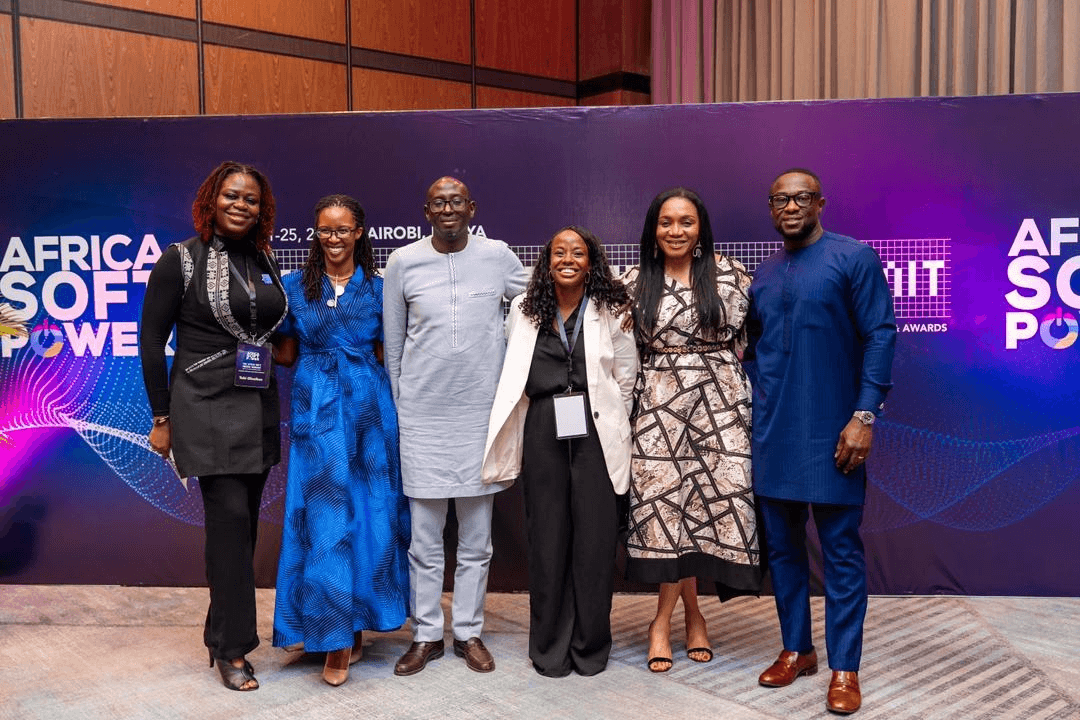
Africa Soft Power Summit Focuses on Financial Integration and Creative Innovation
This year’s Africa Soft Power Summit is set to prioritize the interconnection of financial systems, creative industries, and human capital across the continent. The event, which will gather policymakers, investors, and industry leaders, serves as a premier platform for cross-sector discussions about Africa’s economic future.
Now entering its ninth year, the summit has evolved into a forum where conversations extend beyond individual sectors. This year, the focus is shifting towards how finance, innovation, and talent can collaboratively foster sustainable growth. Scheduled to take place in Nairobi, Kenya from May 20th to 23rd, the summit will feature cultural events extending through May 24th.
This shift in focus is encapsulated in the theme, “Africa’s Compound Interest,” which seeks to unify financial, creative, and human capital ecosystems. This approach reflects an urgent need for adaptation in African markets amid challenging global economic conditions.
Nkiru Baronwu, founder and creative director of Africa Soft Power Group, emphasized, “The world is looking for novel solutions, trusted leadership, and new paths to growth.” She further pointed out that Africa’s creative and innovation sectors are no longer marginal but integral to the continent’s future.
The summit is set to see strong participation from business and policy leaders, notably from Nigeria, whose influence permeates finance, media, and technology across Africa. This representation underscores Nigeria’s role within the broader landscape of African economies.
Beyond its ability to convene diverse stakeholders, the summit reflects a significant shift in how African economies position themselves globally. As nations compete for investment and relevance on the world stage, there is an increasing recognition that the realms of policy, investment, and cultural industries must operate in an interconnected manner.
Past editions of the summit have attracted high-profile participants from major organizations, including Netflix, Meta, the NBA, Apple, Mastercard, Google, MTN, the NFL, Safaricom, and Amazon Studios. Policymakers, investors, and cultural figures from Africa and beyond have also taken part in these dynamic discussions.
The program this year encompasses three key tracks: a conference dedicated to women’s leadership in Africa, a session examining the commercial potential of creative industries, and an awards event celebrating achievements in art, fashion, film, media, and technology. While networking and cultural exchanges remain vital components, the summit’s increasing focus on actionable ideas raises the crucial question of whether closing the gaps between finance, creativity, and talent can yield enduring economic benefits for Africa.
