


Nigeria’s Finance Ministry Responds to Allegations of Income Diversion
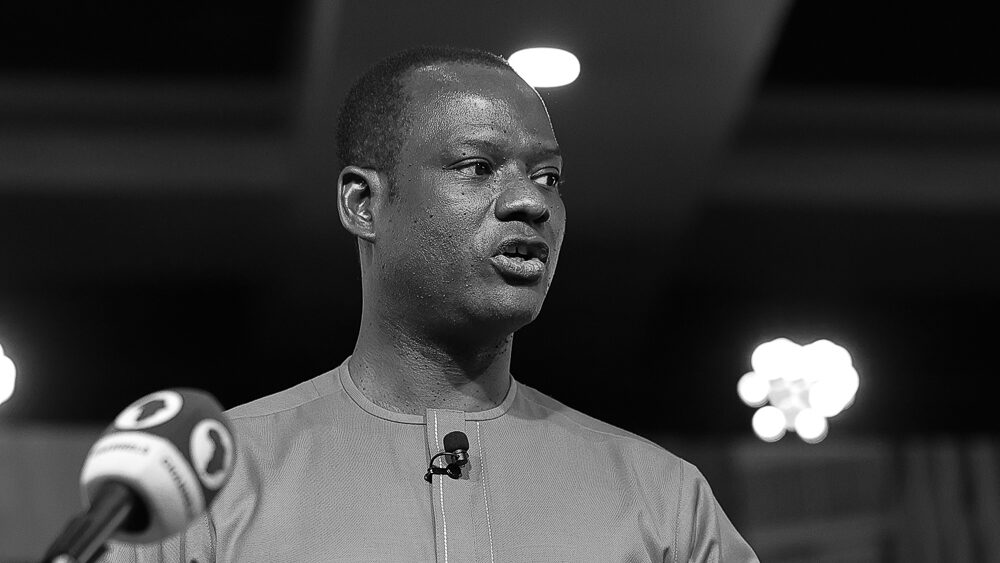
The Federal Ministry of Finance has refuted allegations that Nigeria’s federal income is being diverted or concealed. In a statement released on Sunday, Finance Minister Taiwo Oyedele described recent interpretations of the World Bank report as misleading and inaccurate.
Misunderstandings Surrounding Financial Structure
This controversy arose following the World Bank’s latest Nigeria development update, which some commentators interpreted as evidence of substantial “hidden spending” within government finances. However, the ministry emphasized that such claims distort the report’s findings and misrepresent the financial realities of the nation.
Clarification on Deductions from Federal Accounts
The ministry clarified that the deductions referenced in the report from the Federal Accounts Allocation Committee (FAAC) are legitimate components of public finances and do not indicate a shortage of funds. These deductions encompass statutory transfers, savings and investments, security-related expenditures, collection costs, and reimbursements to ministries and agencies (MDAs), as well as transfers and support to states and other levels of government.
Legal Basis for Fiscal Transfers
The ministry underscored that refunds and transfers to states and various government tiers should not be viewed as leakages. Such financial flows are legal, reflecting the government’s existing fiscal obligations. Additionally, it criticized commentators for overlooking recent reforms highlighted in the World Bank report and instead relying on outdated data.
Impact of Recent Reforms on Fiscal Landscape
The World Bank’s report points to reforms initiated in early 2026, including an executive order aimed at enhancing oil revenue remittances, which could potentially increase distributable revenues by approximately 0.4% of GDP. The ministry asserted that selectively focusing on certain elements of the report while neglecting ongoing reforms distorts Nigeria’s fiscal narrative.
Positive Economic Outlook Amid Challenges
In discussing broader economic trends, the ministry noted that the World Bank report presents an overall positive outlook, identifying gains in economic growth, foreign exchange reserves, and favorable debt indicators. Although inflation remains high, it is reportedly on a gradual decline, while Nigeria’s external position has improved with a current account surplus.
Commitment to Fiscal Transparency and Public Engagement
The ministry stated that the World Bank does not indicate a breakdown of Nigeria’s fiscal system or failure of reforms. Instead, it affirms that ongoing reforms are effective and need sustained efforts. The government reiterated its commitment to enhancing fiscal transparency, improving revenue collection, and ensuring efficient public expenditure. Furthermore, it urged the media and the public to engage thoughtfully with fiscal information, warning that misunderstandings could undermine confidence in the country’s economic reforms.
