


Innovative Solutions to Dubbing Challenges in Nigeria
Apotieliorwa Owoade is grappling with an issue that has long haunted him. Having worked at Aforevo, a Lagos-based streaming and dubbing company from 2022 to 2023, he witnessed firsthand the prohibitive costs of the dubbing industry. Owoade revealed that translating a film into another language can exceed $500,000 for a complete production.
What troubled him even more than the expense was the inadequacy of local language translations, which often failed to convey the subtlety and emotion inherent in the original work. He noted that voice actors were frequently overworked and undercompensated, resulting in performances that lacked depth. He vividly recalled a moment during a video call when he saw a poorly translated Yoruba phrase turn “I’m pregnant” into the nonsensical “I’ve got balls.” This moment fueled his desire to find a better solution.
To turn his vision into reality, Owoade reached out to his friend David McAssoir, a computer engineering student and software developer. Their camaraderie, partly cemented through collaborative work at Living Faith Church Worldwide International, facilitated their joint effort to bridge the language gap between English- and French-speaking congregations. When Owoade pitched the idea, McAssoir was onboard, and they both recognized the need to recruit someone with machine learning expertise.
Gathering a Talented Team
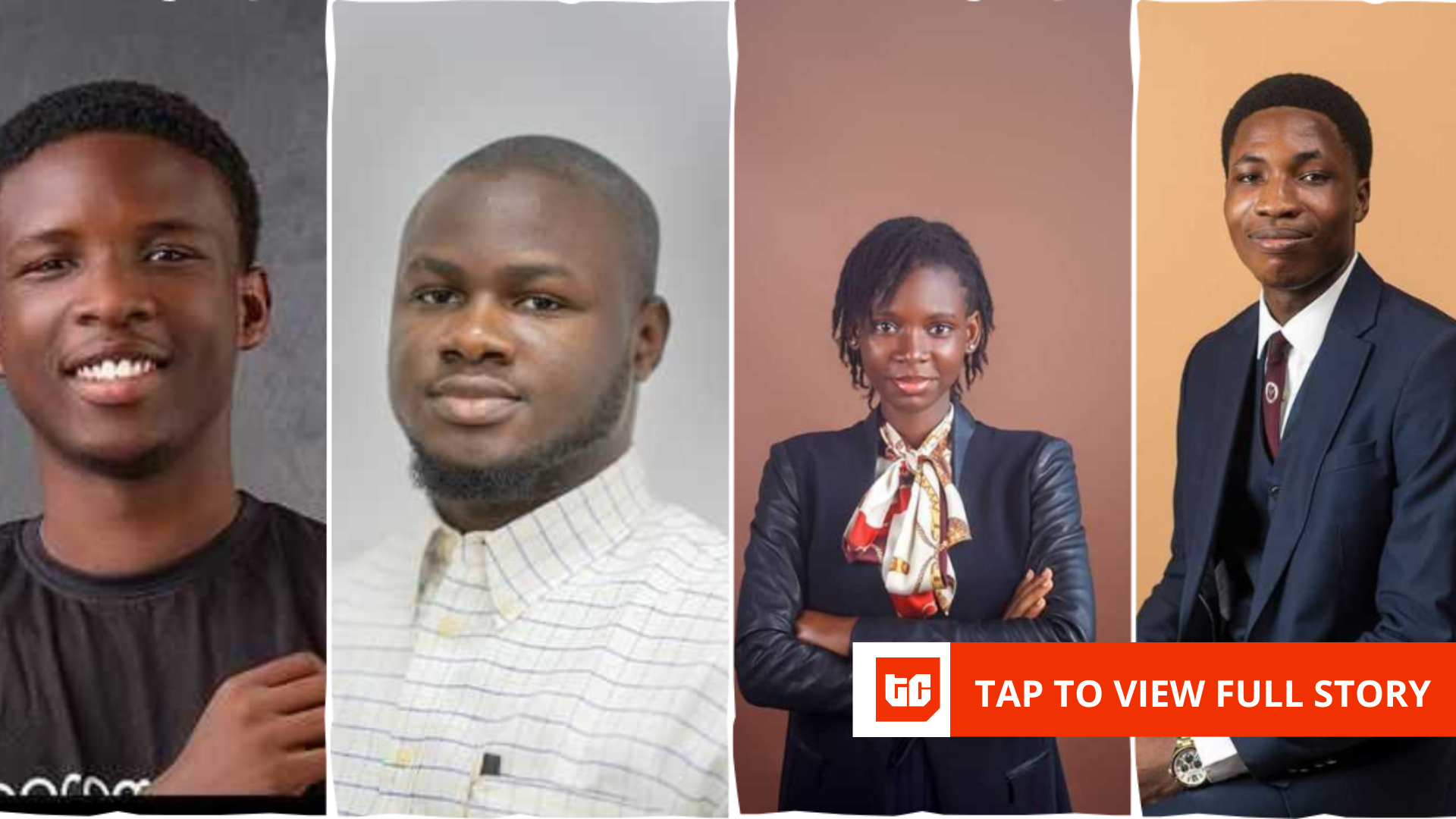
Makasoa enlisted the help of two former classmates from Covenant University, Marian Nagy and Emmanuel Ibian, both graduates of 2024. The four of them connected, and even without a formal name for their endeavor at that time, they referred to their project as “The Hagen Project,” a title that eventually morphed into Reedapt in 2025.
Nagy brought essential machine learning experience to the table, having previously developed a sign language speech-to-text model for her undergraduate thesis. Her aim was to create technology that addressed the barriers faced by the hearing-impaired community. She quickly recognized a significant gap in data that was largely rooted in Western contexts rather than catering to Nigerian or African scenarios.
Ibian contributed a crucial perspective focused on user experience. While the team emphasized technological precision, he concentrated on ensuring that the platform remained user-friendly. “Can the average person use the product without guidance?” he asked, highlighting the importance of accessibility in their design process.
Transforming a Vision into Reality
I first encountered Owoade and Makasoa at the Builders Summit organized by Founders Connect in May 2025, a networking event tailored for budding technology founders. They shared their ambition to construct a translation tool enabling seamless movement between languages via text and voice, without the burden of language acquisition. Jokingly, I suggested they might pose a threat to established players like Duolingo, but they recognized the challenges ahead.
Since our last conversation, Reedapt’s vision has clarified significantly. The startup is now dedicated to becoming the premier dubbing and real-time multilingual streaming platform for Nollywood filmmakers, churches, and African content creators eager to expand their outreach beyond English. Owoade disclosed that the startup has secured two enterprise dubbing agreements with Nollywood gospel producers, with project completion expected by the end of 2026. Currently, more than 200 active users—94% of whom are individual creators—rely on Reedapt’s services.
The Challenges of Building for African Languages
Creating voice technology tailored for African languages presents unique challenges. Owoade pointed out that existing market tools are predominately designed with non-African contexts in mind. “Tech giants prioritize languages like English, French, and even Spanish at the expense of African languages,” he stated. Reedapt aims to change this dynamic, yet the initial hurdle lies in data scarcity and quality.
Nnaji emphasized the importance of high-quality training data, remarking that inadequate exposure to diverse language examples limits model performance. The team is currently working with open-source data while developing a robust pipeline for their own quality dataset. This meticulous groundwork is essential to ensure their models address African language complexities, such as code-switching between English and Yoruba.
Despite boasting a strong foundation, building Reedapt is resource-intensive. The team has already invested over $50,000 and is now seeking to raise an additional $500,000 to expedite product development. Their meticulous approach has led to a platform that not only meets general accuracy levels akin to leading firms like Eleven Labs but excels in capturing distinct African nuances.
Manifesting a Personal Vision
For Owoade, launching Reedapt represents a deeply personal journey. Having studied foreign languages and literature in college, and worked in the dubbing industry, he believes that African creators should have a voice in their native languages, allowing them to share their narratives globally without reverting to English. He recollects his school experience, where speaking Yoruba was often frowned upon, and recognizes the necessity of challenging that narrative.
Owoade and his team aim to establish Reedapt as the leading dubbing and multilingual streaming tool in Africa by 2026, with ambitious plans to reach markets in India and the Philippines by 2030. They envision supporting 500 languages within the same timeframe. Despite facing immense challenges, Owoade’s resilience reflects a steadfast commitment to this mission, underscoring the team’s belief in the transformative potential of African-made dubbing tools.
