


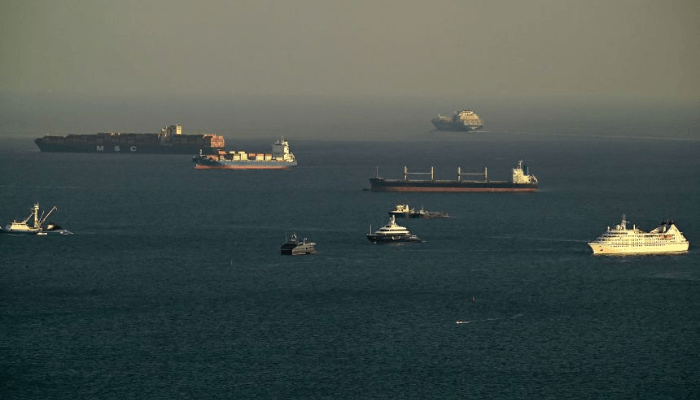
US Warships Enforce Naval Blockade Against Iranian Oil Tankers
US warships have been deployed to the Indian Ocean and Southeast Asian waters to intercept Iranian oil tankers. Security and shipping officials informed Reuters on Wednesday that the US military has begun boarding and redirecting vessels laden with millions of barrels of crude oil, steering them far from the front lines of ongoing conflicts.
Intensifying Naval Operations Amid Tensions
In recent days, at least three Iranian-flagged tankers have been denied passage in waters off India, Malaysia, and Sri Lanka. This action is part of Washington’s efforts to tighten a naval blockade aimed at cutting off Tehran’s vital oil revenues during a precarious ceasefire in the broader conflict.
Escalation of US Maritime Presence
This operation signifies a significant enhancement of American naval power in the Strait of Hormuz, a critical chokepoint for global oil traffic, where Iran has previously shelled and seized ships attempting to leave the Gulf. With approximately one-fifth of the world’s oil and gas flowing through this strait, the region has become increasingly volatile since the onset of a war involving the United States, Israel, and Iran, which began two months ago and has since triggered a global energy crisis.
Details of Seized Iranian Tankers
Among the vessels caught in the blockade is the Iranian supertanker Deep Sea, which was found carrying crude oil and was last tracked off the coast of Malaysia about a week ago, according to ship tracking data from Marine Traffic. Additionally, a smaller tanker named Sevin was seized after it was reported off the Malaysian coast a month earlier, carrying 65% of its 1 million barrel capacity.
High-Value Interceptions by US Central Command
The largest seizure thus far involved the supertanker Drena, which was discovered holding 2 million barrels of crude oil while anchored off India’s southern coast three days ago. The U.S. Central Command confirmed the interception on Wednesday, announcing via X news agency that the Drena was escorted by a US Navy destroyer in the Indian Ocean following its attempt to bypass the blockade.
Further Intercepted Ships and Military Responses
Reports indicate that another ship, the Deliya, may also have faced interception. This tanker was attempting to unload Iranian crude in India just before a U.S. exemption facilitating such transactions expired on Sunday. It was last tracked off the west coast of India on Friday.
Targeting Strategy Amid Ongoing Iranian Aggression
U.S. Central Command revealed that since the blockade’s inception, it has directed 29 ships to alter their courses or return to port. However, the military has not disclosed a comprehensive list of intercepted vessels and did not immediately respond to Reuters inquiries regarding Deep Sea or Deliya. Maritime security analysts have noted an intentional strategy: the U.S. military is focusing on Iranian ships in international waters rather than near the straits, presumably to avoid the potential hazards posed by floating mines during interception attempts.
Escalation of Iranian Actions and the Uncertain Future
Meanwhile, Iran has shown little inclination to retreat from its aggressive stance. On Wednesday, Tehran confirmed that its Revolutionary Guards had seized two container ships as they were departing the bay, firing upon them before escorting them to the Iranian coast. This event marks the first Iranian seizure of a vessel since the outbreak of hostilities.
With no imminent peace negotiations, an indefinite ceasefire, and both sides intensifying their maritime operations, the contest for control over one of the world’s most vital oil routes appears poised to escalate further.
