


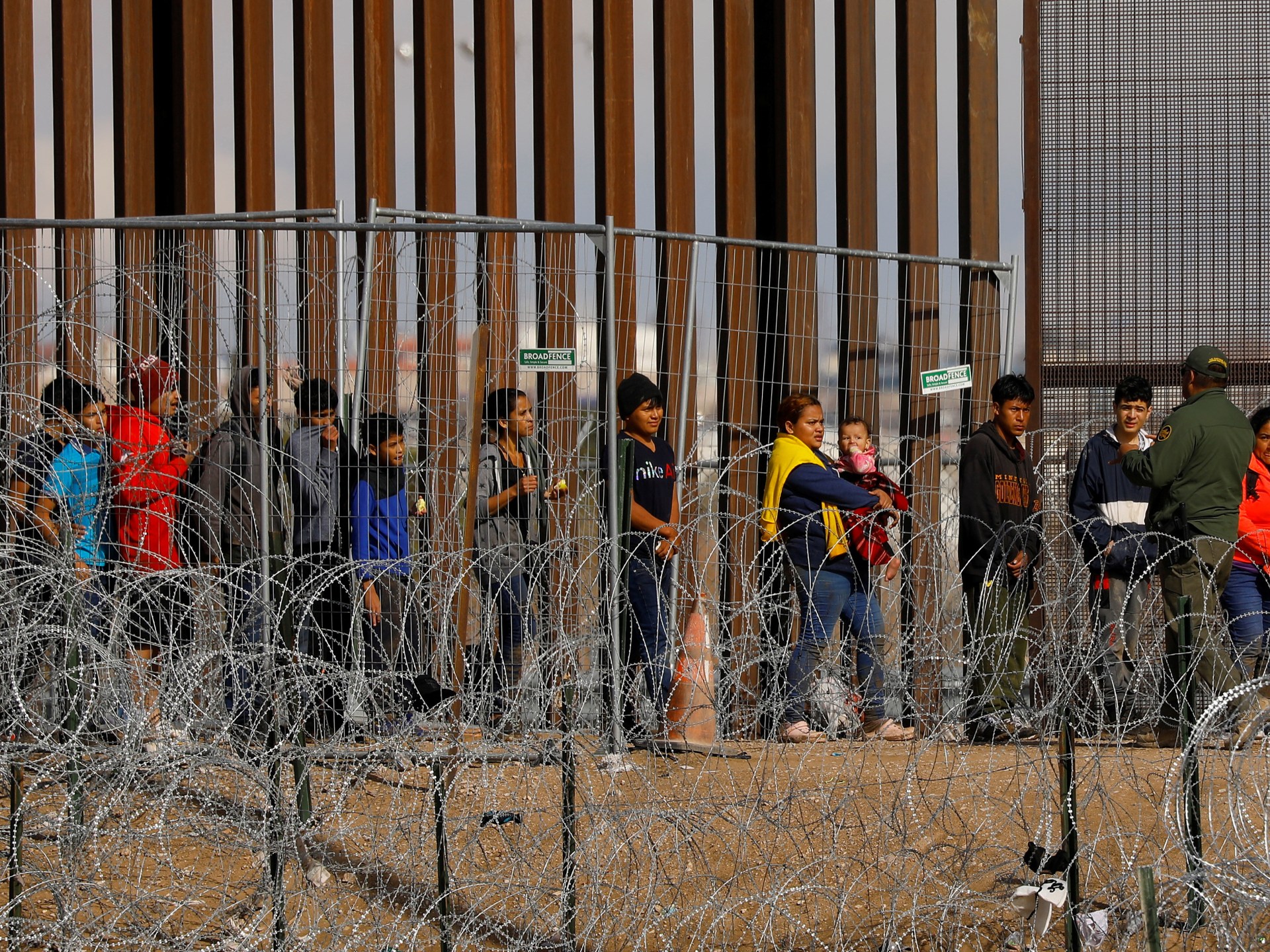
The justices argued that President Trump’s order requiring expedited removals at the border ignored federal law that recognizes the right to seek asylum.
Published April 24, 2026
An appeals court has ruled that the ban on asylum seekers implemented by President Donald Trump is illegal, delivering a significant blow to the administration’s immigration enforcement strategy. The ruling, made by a three-judge panel of the U.S. Court of Appeals in Washington, D.C., found that the Immigration and Nationality Act (INA) guarantees individuals the right to apply for asylum at the nation’s borders.
Court Questions Presidential Authority
President Trump first issued the controversial proclamation banning asylum on January 20, 2025, coinciding with the start of his second term in office. However, the appellate court deliberated on the extent of the president’s unilateral power to suspend such critical protections.
Legal Findings on Executive Power
The court’s ruling emphasized that “Congress did not intend to give the executive branch the broad removal powers it claimed.” Consequently, the judges deemed the proclamation and subsequent guidance unlawful, as they undermined the INA’s established removal processes and disregarded federal statute that affirms an individual’s right to seek asylum or contest deportation notices.
Uncertain Immediate Aftermath
This decision upheld a prior lower court’s ruling by preventing the enforcement of Trump’s order. The immediate consequences, however, remain uncertain as the White House has already signaled intentions to appeal the decision.
Immigration as a Key Policy Issue
Throughout his 2024 re-election campaign, President Trump has consistently emphasized immigration, describing it as an “invasion” and pledging to secure the southern border. Asylum in the U.S. is designated for individuals facing persecution based on race, religion, nationality, political opinion, or membership in a specific social group, rights that are also recognized under international law.
Record Levels of Asylum Applications
During President Joe Biden’s administration, which has instituted various asylum restrictions, the number of unauthorized border crossings has soared to unprecedented levels. Millions of immigrants, many fleeing violence and persecution in Latin America, seek asylum upon their arrival in the United States. In 2023 alone, nearly 945,000 individuals applied for asylum, according to the Department of Homeland Security.
Previous Actions and Judicial Review
In a January 2025 executive order, President Trump stalled the “physical entry of aliens who have crossed the southern border and engaged in an invasion of the United States.” This declaration, akin to other facets of his immigration strategy, faced immediate legal challenges. The appellate court affirmed that the INA does not give the president the power to expel individuals through a self-determined protocol, nor does it allow for the suspension of asylum rights or the expedited adjudication of claims related to torture or persecution.
Ongoing Political Tensions
Judge J. Michelle Childs, an appointee of President Biden, articulated that the proclamation’s authority to temporarily restrict the entry of certain aliens does not extend to overriding the INA’s enforcement guidelines for immediate expulsion. The Trump administration is expected to pursue an appeal, potentially escalating the matter to the Supreme Court. In light of this ruling, the White House has reiterated its position that the president possesses constitutional authority to impose such asylum bans, attributing opposition from “liberal judges” to political bias rather than legal grounds.
